

Rhinoplasty in London
Rhinoplasty in London with Dr Julian De Silva offers precise nasal refinement and improved breathing through minimally invasive techniques and rapid recovery methods, performed by a facial-only plastic surgeon with over 20 years’ experience.
Board-certified UK/EU/USA
>1,000
Rhinoplasties
Author:
The Complete Guide to Rhinoplasty CQC-accredited clinic
What Is Rhinoplasty?
Rhinoplasty, commonly known as a "nose job," is a highly specialised nasal reshaping procedure used to reduce, refine, lift, or straighten the nose and improve breathing while maintaining a natural facial appearance. Small adjustments, often less than a millimetre, can have a visible impact on facial harmony.
In addition to cosmetic and functional rhinoplasty, Dr Julian De Silva also specialises in ethnic rhinoplasty and male rhinoplasty, techniques designed to address specific anatomical features, aesthetic goals, and cultural or gender-specific considerations.
Featured In


Rhinoplasty at
a Glance

Surgery Time
2-4 Hours

Hospital Stay
Outpatient

Anaesthetic
Twilight Sedation

Time Off Work
2 Weeks

Shower
2 Days

Return To Routine
3-5 Days

Exercise
3 Weeks

Sexual Activity
3 Weeks

Flying
1 Week

Recovery
4-6 Weeks.
Fully at 12 months
Be Inspired by Our Rhinoplasty Patient Results
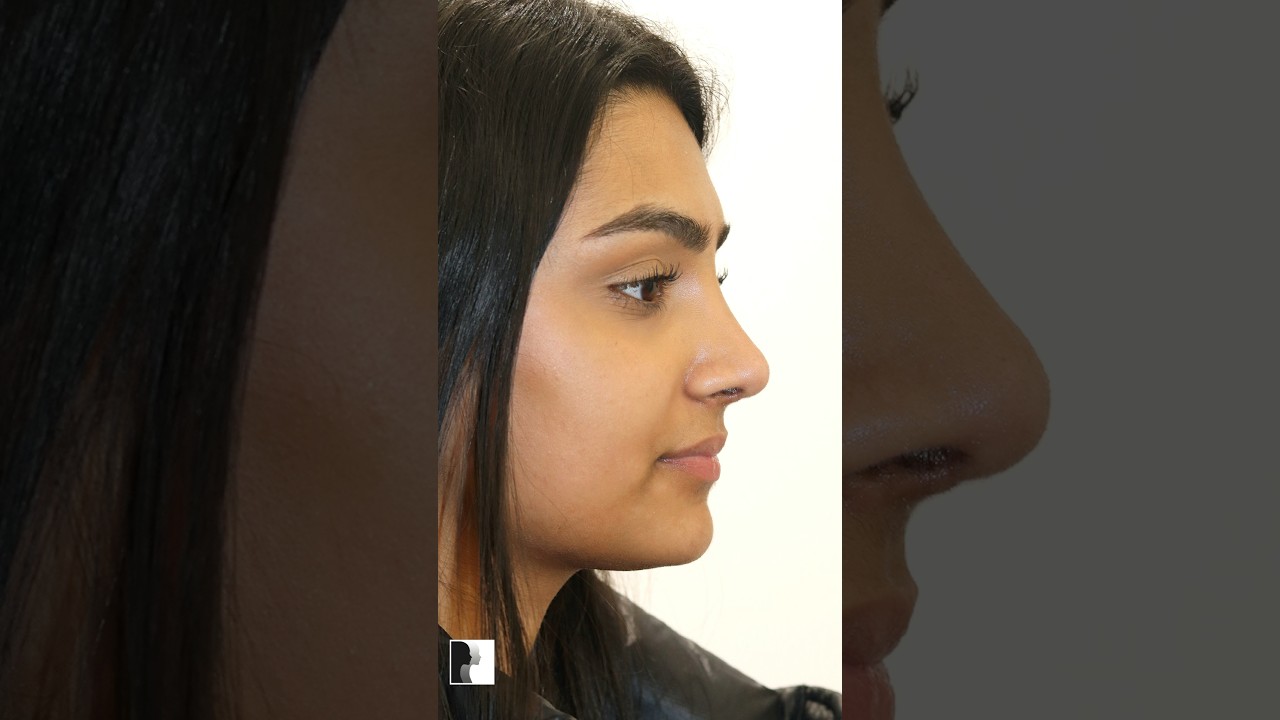
Dr De Silva’s unparalleled surgical skill and artistic eye contribute to his natural Rhinoplasty results. Browse our Before and After gallery of our real-life patients and be inspired by their transformations.

This patient was unhappy with the appearance of her nose, including a high nasal bridge, drooping tip, and relatively wide nostrils. Dr De Silva performed a natural rhinoplasty using cartilage grafts and precise bone reshaping to refine the profile, improve tip definition, and achieve a balanced, natural-looking result.

This young woman sought a subtle refinement of her nose, wanting a smaller profile, a refined tip, and no hump. Dr De Silva performed his signature rhinoplasty with septoplasty under sedation, focusing on millimeter-level detail and artistry. The result is a natural, feminine nose perfectly in proportion to her face, and she was thrilled with the outcome.

This woman in her 20s sought improvement of a bulbous, drooping nasal tip. Dr De Silva performed an open rhinoplasty to refine and support the tip, subtly lifting and shortening the nose while preserving her natural facial features. With sedation anesthesia, her recovery was smooth with minimal swelling and no bruising—see her video testimonial to hear about her experience.
This patient was unhappy with the appearance of her nose, including a high nasal bridge, drooping tip, and relatively wide nostrils. Dr De Silva performed a natural rhinoplasty using cartilage grafts and precise bone reshaping to refine the profile, improve tip definition, and achieve a balanced, natural-looking result.
This young woman sought a subtle refinement of her nose, wanting a smaller profile, a refined tip, and no hump. Dr De Silva performed his signature rhinoplasty with septoplasty under sedation, focusing on millimeter-level detail and artistry. The result is a natural, feminine nose perfectly in proportion to her face, and she was thrilled with the outcome.
This woman in her 20s sought improvement of a bulbous, drooping nasal tip. Dr De Silva performed an open rhinoplasty to refine and support the tip, subtly lifting and shortening the nose while preserving her natural facial features. With sedation anesthesia, her recovery was smooth with minimal swelling and no bruising—see her video testimonial to hear about her experience.

Why Choose Dr De Silva for Rhinoplasty in London?
Widely recognised as one of the leading rhinoplasty surgeons in the UK, Dr Julian De Silva focuses exclusively on facial surgery, a specialisation that has enabled him to master the delicate balance between form, function, and facial harmony. Every contour of the nose is evaluated in relation to the face, where even the smallest change can influence another feature. This precise and comprehensive approach is what sets Dr De Silva apart.
A respected lecturer and author, he is regularly invited to present his innovations in rhinoplasty technique and research at national and international conferences, reflecting his role as a thought leader in facial aesthetics.
"My focus has and always will be to be the very best at what I do to continually innovate and provide world-class care to my patients and my team. My mission is to help every patient become the best version of themselves through expert results, lifelong support, and premium care."
— Dr Julian De Silva
Board Certified, Facial Plastic Surgery Expert
With more than 20 years of experience, Dr De Silva is a board-certified facial plastic surgeon known for achieving natural rhinoplasty results through attentive, patient-focused care. His calm, reassuring manner and ability to listen carefully to each patient’s goals are integral to his success. Every nose is sculpted with millimetric precision to look as though it were always part of the face.
Artistry and Surgical Skill
Nasal reshaping is considered one of the most complex surgical procedures because both aesthetics and function are crucial for a successful outcome. As a facial-only surgeon, Dr De Silva has performed over 1,000 rhinoplasties, combining refined surgical skill with artistic understanding to create balanced, functional, and natural outcomes.
Signature Techniques for Faster Recovery
Over two decades, Dr De Silva has developed his signature rhinoplasty protocols, designed to achieve natural refinement with faster recovery and minimal trauma. His methods include:
- Ultrasonic (Piezo) bone sculpting means less bruising and cleaner contours
- Endoscopic visualisation creates accurate work through smaller incisions
- Tissue glue for incision closure results in quicker healing, minimal suture irritation.
Discreet Care, Comfort, and Safety
All rhinoplasty procedures are performed under twilight sedation at Dr De Silva’s CQC-accredited Harley Street clinic, avoiding the risks of general anaesthesia, hospital infections and lengthy in-patient stays. Patients typically return home within hours, cared for in complete privacy.
Natural, Balanced Results
Guided by the Golden Ratio and principles of proportion, Dr De Silva creates results that enhance each patient’s features rather than alter them, earning his reputation for trusted, natural outcomes among patients worldwide.
Read Our Surgery Reviews
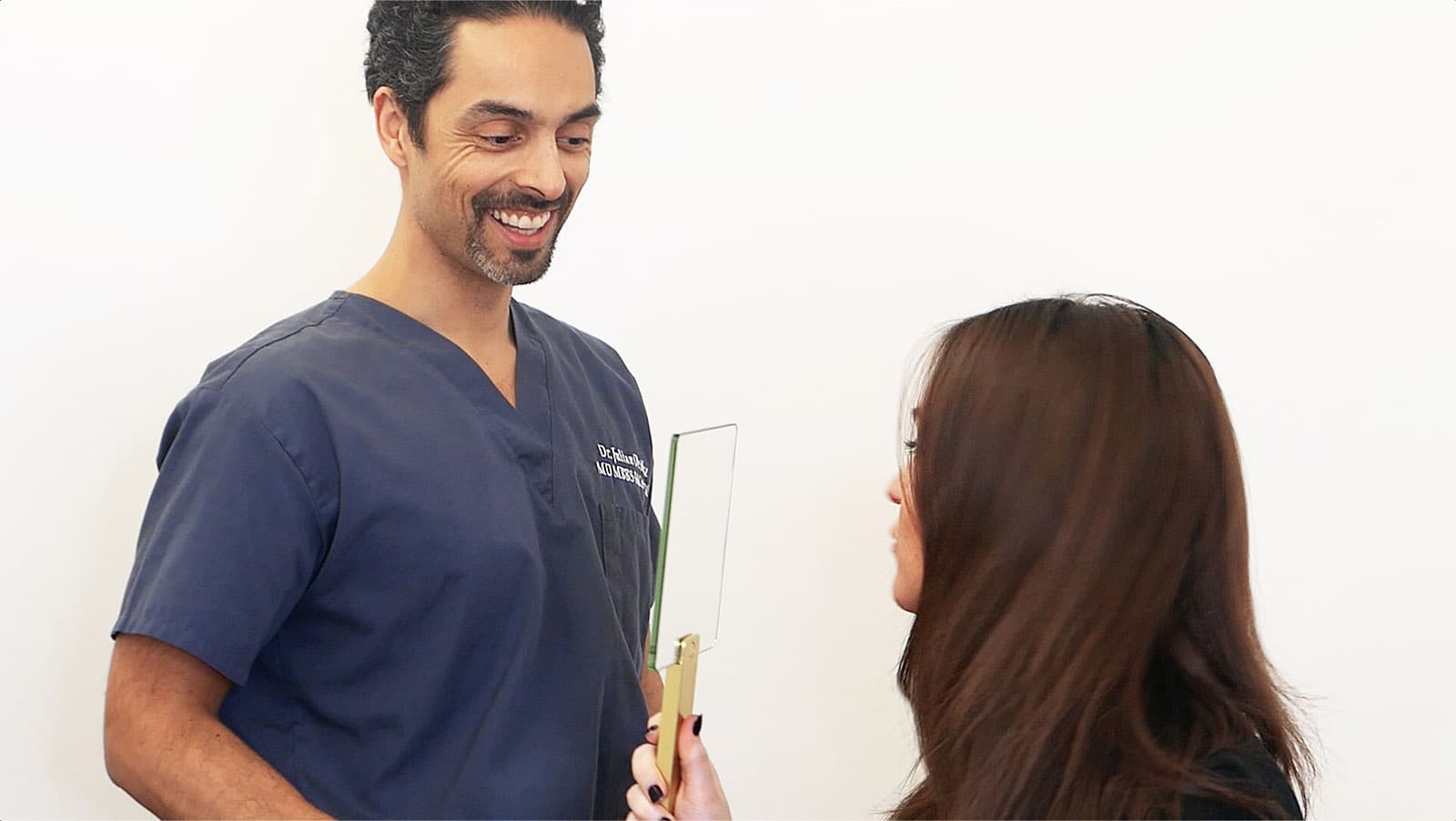
Twilight Sedation: A Gentler, Safer Approach to Rhinoplasty
Dr De Silva performs rhinoplasty under twilight sedation, helping patients avoid the risks and delayed recovery associated with general anaesthesia. This approach keeps patients deeply relaxed while maintaining natural breathing — a suitable alternative for nasal surgery, helping patients feel more awake and in control during early recovery.

Dr De Silva's Rhinoplasty Method
Dr De Silva performs around 30% of rhinoplasties with septoplasty to improve breathing and structure. Cartilage and bone are sculpted to achieve the desired refinement and grafts taken from your own cartilage may be used to create tip definition.

Dr De Silva will perform your rhinoplasty using either an open or closed method, depending on your condition.
Incisions are made either internally or across the columella (open approach).
Dr De Silva uses Piezo ultrasonic technology, diamond burrs, and 3D telescopes to reshape the nose with exceptional precision and minimal trauma. The diamond burr refines bone smoothly and accurately, while Piezo ultrasound cuts bone with vibration rather than force, preserving soft tissue and reducing swelling and bruising for a smoother recovery.
Tissue glue is used to close incisions, and laser treatments can be combined for rejuvenation of your skin in combination with regenerative medicine (Growth factor technology).
A cast may be applied to protect the nose and hold the bones and cartilage in place.
An Alternative To General Anaesthesia
Dr De Silva avoids the risks and side effects of general anaesthesia by using his patented, ultra-precise twilight sedation system for rhinoplasty. This advanced micro-dosed approach, pioneered by Dr De Silva, provides a safer, more refined, sleep-like experience with dramatically fewer complications and a significantly faster recovery.
Most patients wake within 30 minutes and leave the clinic within an hour, and over 20% of those who previously had general anaesthesia report strongly preferring twilight sedation. This technique is one of the key reasons patients travel globally to undergo treatment with Dr De Silva.

What to Expect: Before, During and After Surgery
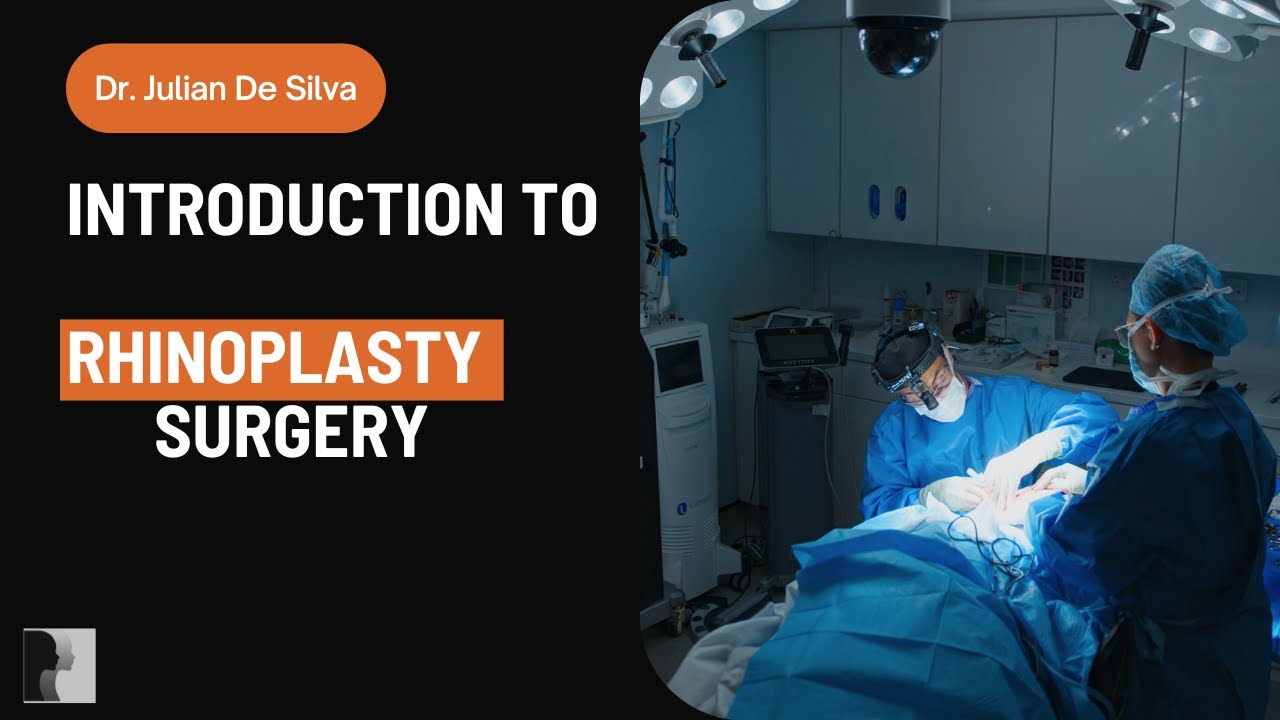
All of Dr De Silva’s cases of rhinoplasty in London are performed in his CQC-accredited Harley Street Clinic under twilight sedation on an outpatient basis. Surgery can last between 2-4 hours, depending on the complexity and techniques required.
Initial Consultation
Dr De Silva will review your medical and surgical history, a nasal and facial examination (including internal assessment), and 3D imaging when applicable to show potential outcomes. Your expectations, the limitations of the procedure, and the recovery process will also be discussed. A second consultation is typically scheduled before surgery to confirm the plan and review pre-operative instructions.
Day of Surgery
You’ll arrive at Dr De Silva’s Harley Street clinic a few hours before the procedure. Our team will review your medical details and ensure your comfort. Dr De Silva will then go over the surgical plan with you and your accompanying guest, who can wait in our private lounge. After surgery, you will rest in recovery under supervision, and thanks to twilight sedation, most patients wake comfortably and can return home within about an hour, with aftercare instructions and 24-hour support from our clinical team.
Follow-up Appointment
You’ll receive detailed post-operative guidance and 24-hour access to the clinical team for reassurance during the early recovery period. A video call is scheduled the day after surgery for Dr De Silva to monitor your recovery, followed by an in-person follow-up 4-5 days later to remove stitches and monitor your healing progress.
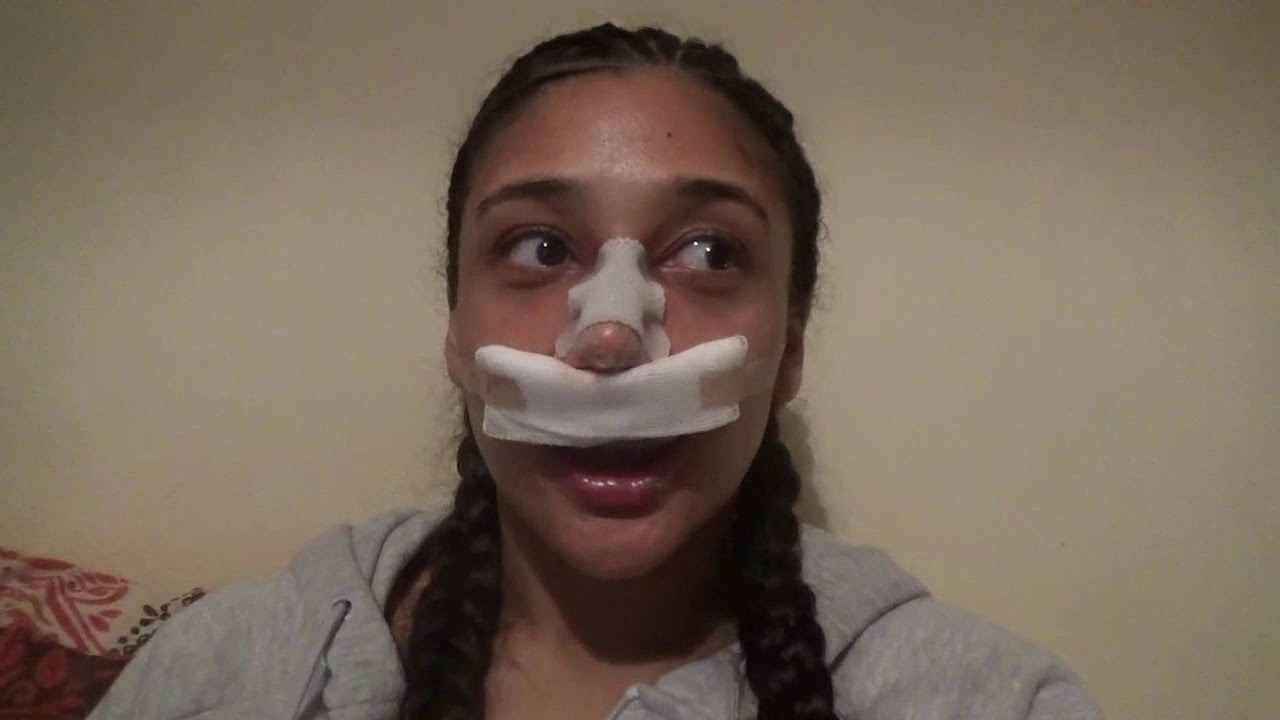
Watch Our Patient Video Diaries
Watch real-life patients in their initial stages of life post-rhinoplasty to see what is involved.

What Types of Rhinoplasty Does
Dr De Silva Offer?
Depending on your symptoms and concerns, Dr De Silva will choose the best approach for you to ensure you get the results you desire. His Harley Street rhinoplasty surgery procedures include:
Traditional Rhinoplasty
Traditional rhinoplasty focuses on reshaping the bone, soft tissues and cartilage to improve both the nose’s function and appearance, offering a more refined profile. Where possible, De Silva uses advanced ultrasonic technology and diamond burrs to precisely reshape the nose with minimal bruising and faster recovery.
Revision Rhinoplasty
Revision rhinoplasty is used to correct or improve previous rhinoplasty results. It can correct complications and improve outcomes. It is more complex and often performed after healing from a previous procedure, generally 12 months later.
Ethnic Rhinoplasty
Ethnic rhinoplasty aims to preserve identity-defining facial characteristics while enhancing nasal appearance, providing a personalised approach for different ethnic backgrounds.
Male Rhinoplasty
Male rhinoplasty is designed to address the unique anatomical structure of male noses, providing a strong, masculine appearance that complements the rest of the face.
Teenage Rhinoplasty
Teenage rhinoplasty is performed on young people whose facial features might still be developing, but the nose has finished growing. It aims to enhance their nasal shape while considering growth and long-term results.
Preservation Rhinoplasty
Preservation rhinoplasty focuses on preserving the natural nasal framework, gently refining the nose without removing excessive tissue, ensuring a more natural, long-lasting result.
Septoplasty
Septoplasty straightens a deviated nasal septum, the wall of cartilage and bone between the nostrils, to improve airflow, relieve obstruction, and enhance nasal symmetry.
Submucosal Resection
Submucosal Resection removes excess cartilage or bone beneath the nasal lining to clear airway blockages and enhance breathing.

What Makes A Good Candidate?
Ideal candidates are in good health, have realistic expectations, and wish to improve nasal appearance or function while maintaining natural harmony.
Dr De Silva will assess your personal case during a private consultation to determine your suitability. During this consultation, he may perform a physical examination or request tests in order to align the correct treatment with your aesthetic goals.
How Dr De Silva Treats Nasal Conditions
Dr Julian De Silva’s series of rhinoplasty animation videos shows how different nose types can be improved with surgery. Patients choose rhinoplasty for both aesthetic and functional reasons. Below are the most common improvements Dr De Silva performs:
Reducing a Nasal Hump
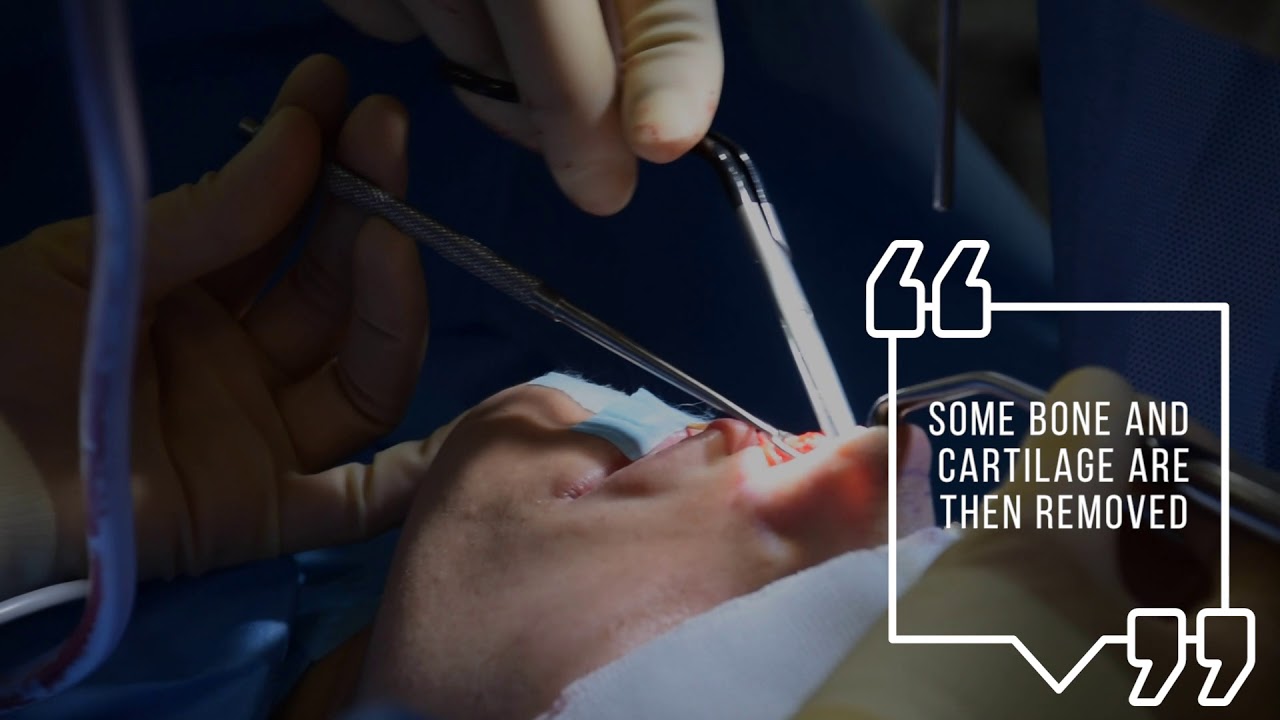
Excess bone and cartilage along the bridge are carefully reduced while maintaining nasal structure. Controlled osteotomies narrow the nasal bones and restore a natural contour.
What Is Rhinoplasty Recovery Like?
Dr De Silva’s rhinoplasty techniques minimise tissue trauma and support rapid recovery. He uses ultrasonic (Piezo) instruments, fine incisions, and regenerative medicine to reduce swelling and bruising.
Recovery after rhinoplasty is usually straightforward, with most patients returning to work and social life within one to two weeks. In the first few days following surgery, it’s important to support optimal healing by:
- Keeping your head elevated when sleeping
- Avoiding blowing your nose
- Refraining from heavy lifting or exercise.
You may experience some swelling, which can affect your breathing and you can use an ice pack for short intervals to help alleviate discomfort.
Patients benefit from Dr De Silva’s comprehensive aftercare, including arnica-based supplements, taping guidance, and targeted anti-swelling medication applied one week post-surgery. Where appropriate, Dr De Silva will treat patients with oxygen therapy, advanced medications, lymphatic drainage, and regenerative treatments to promote faster, smoother healing.
A Typical Timeline
Every recovery is individual, but with Dr De Silva’s advanced methods and detailed guidance, healing is faster, more comfortable, and delivers natural, lasting results. For a detailed recovery guide, see our Rhinoplasty Recovery Blog.
Rest with head elevated; mild swelling, no heavy activity.
Cast and stitches removed; most swelling down, make-up permitted.
Fit to drive, work, and attend social events.
Gentle exercise; short-haul flights usually fine.
90% of swelling resolved, breathing and smell normalised.
Final contour and skin texture settle.
Are There Risks Involved in Nasal Surgery?
In Dr De Silva’s hands, complications are uncommon. Procedures are performed in a purpose-built, infection-controlled environment, reducing the risk of hospital-acquired complications.
Possible risks include:
- Numbness around the nasal tip
- Small visible scar in open cases
- Septal perforation (very rare)
- Need for revision (small minority of patients)
All surgical procedures carry risks. Individual outcomes vary. A full assessment and consultation are required before any treatment.
Learn More about Dr Julian De Silva’s work
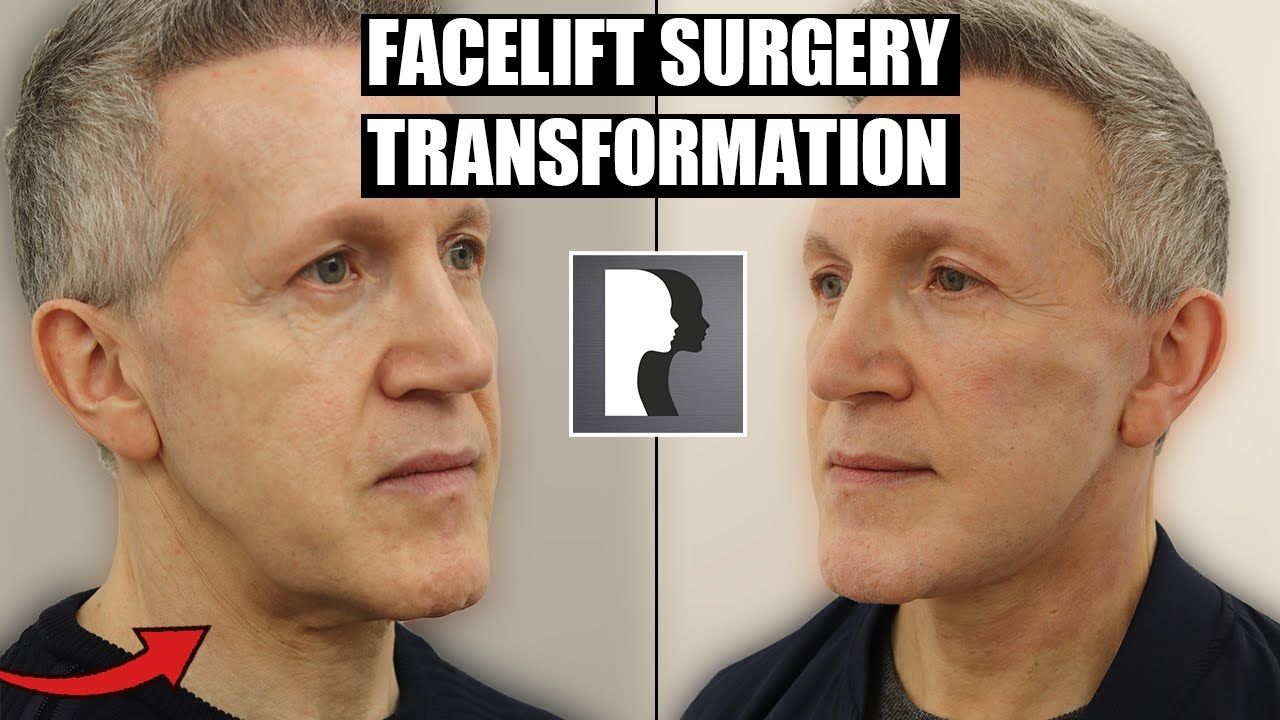
AMAZING MALE FACELIFT TRANSFORMATION IN ONLY 2 MONTHS! – NATURAL RESULTS
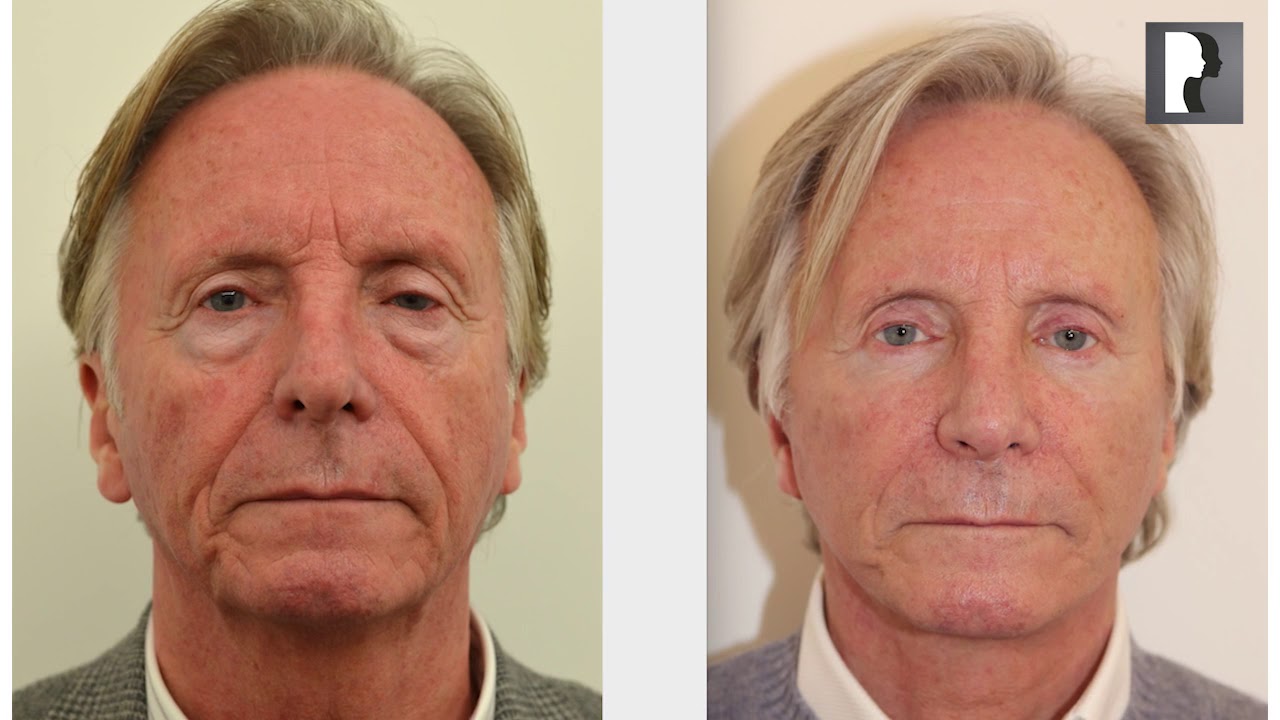
My experience of Natural facelift & neck lift surgery in London
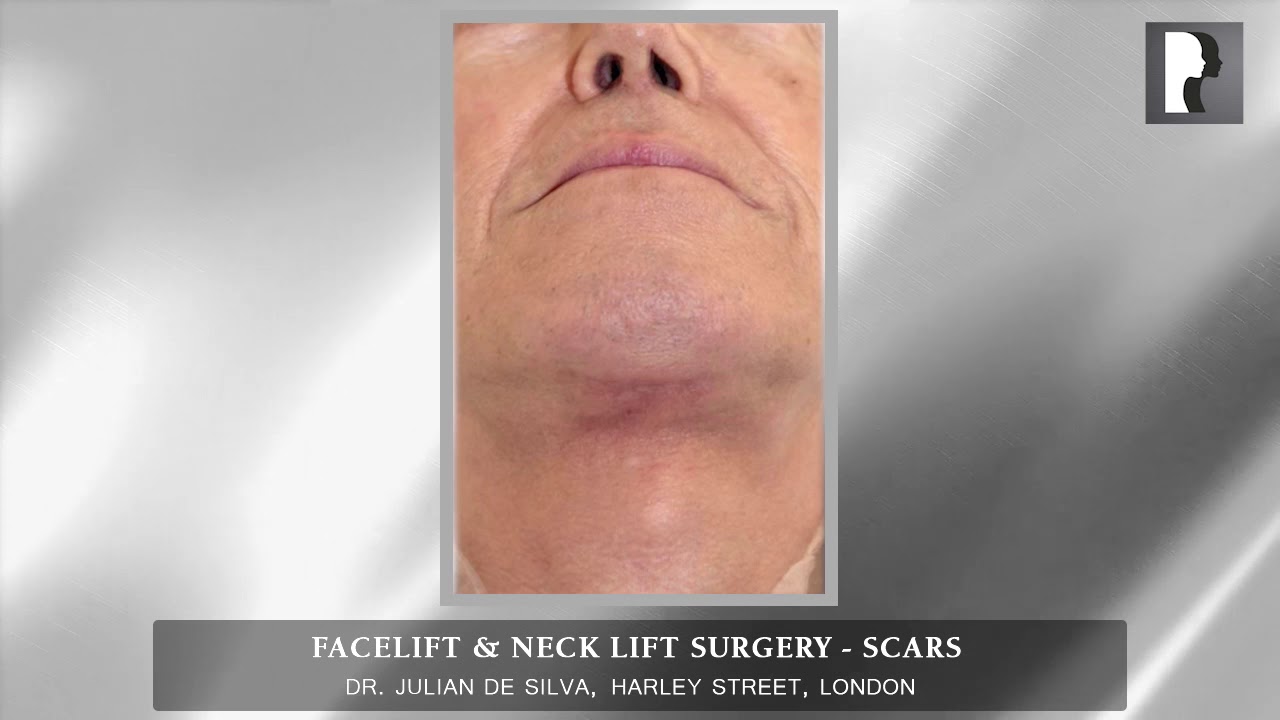
Natural Facelift & Neck Lift Surgery in London – Scars
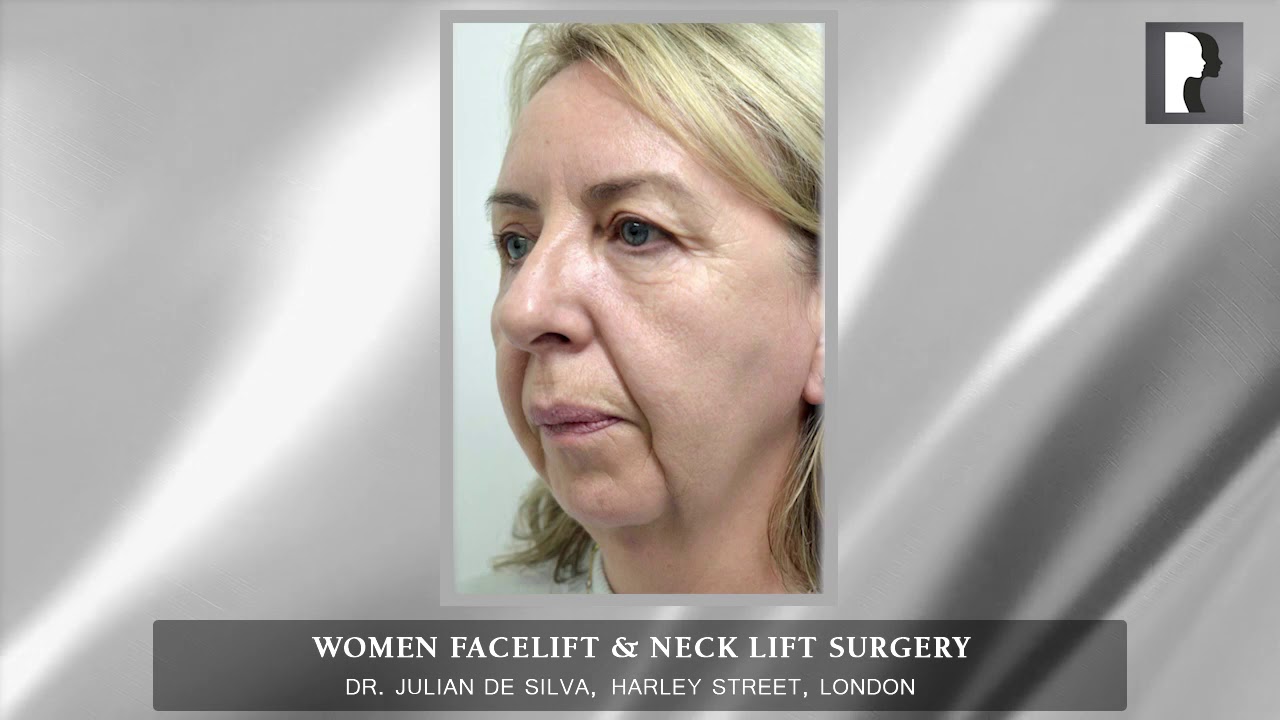
Natural Women Facelift & Neck Lift Surgery in London
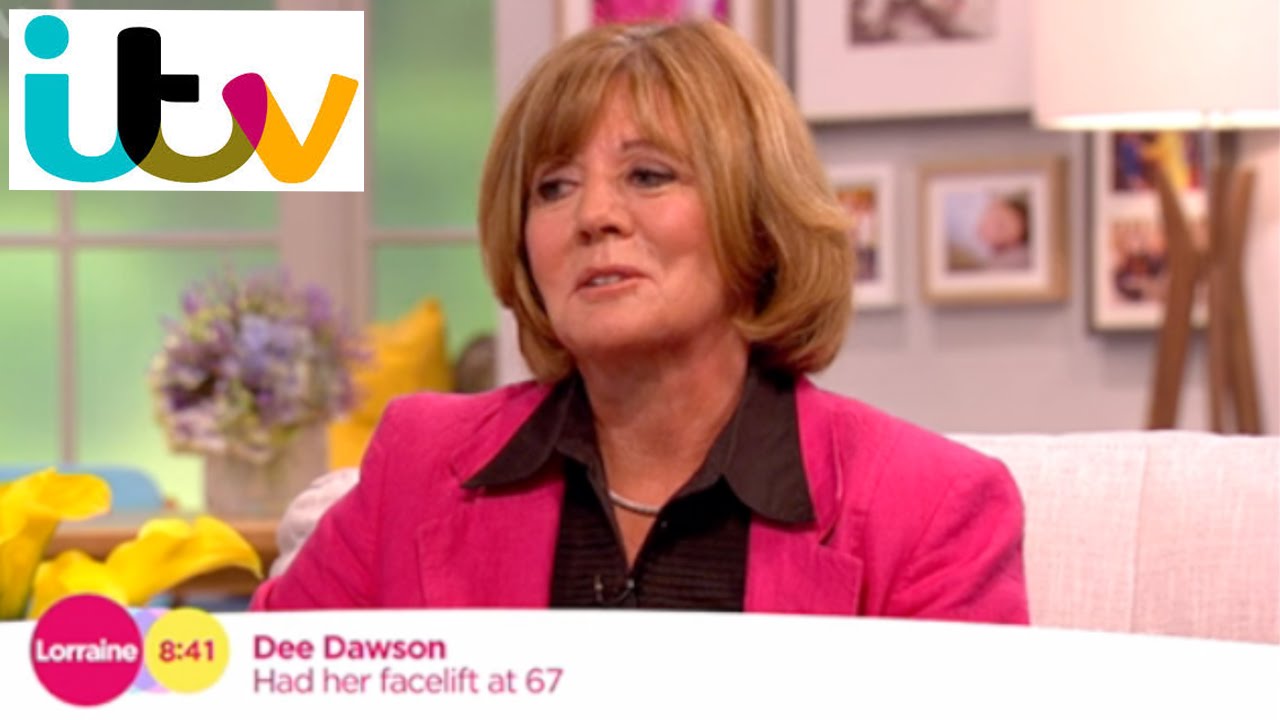
ITV Lorraine Show Featured patient of Dr. Julian De Silva, underwent Natural Face and Neck lifting
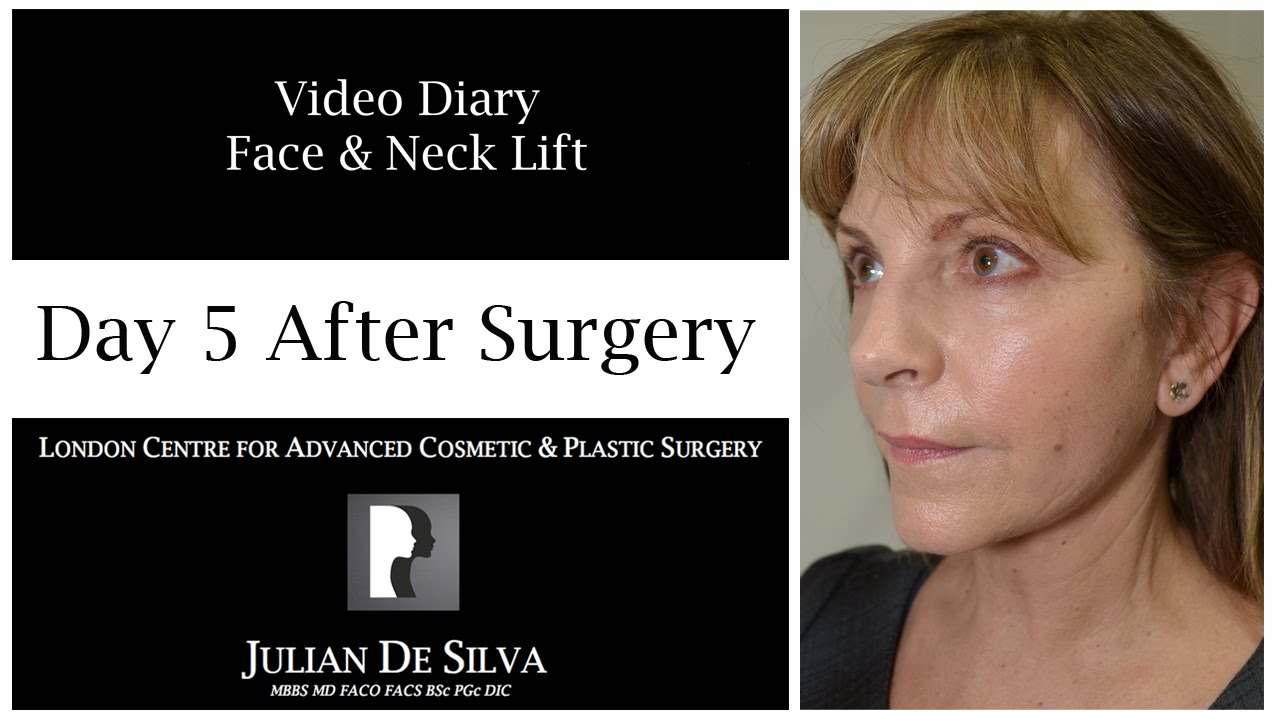
Facelift & Neck Lift Video Diary Day 5 After Surgery
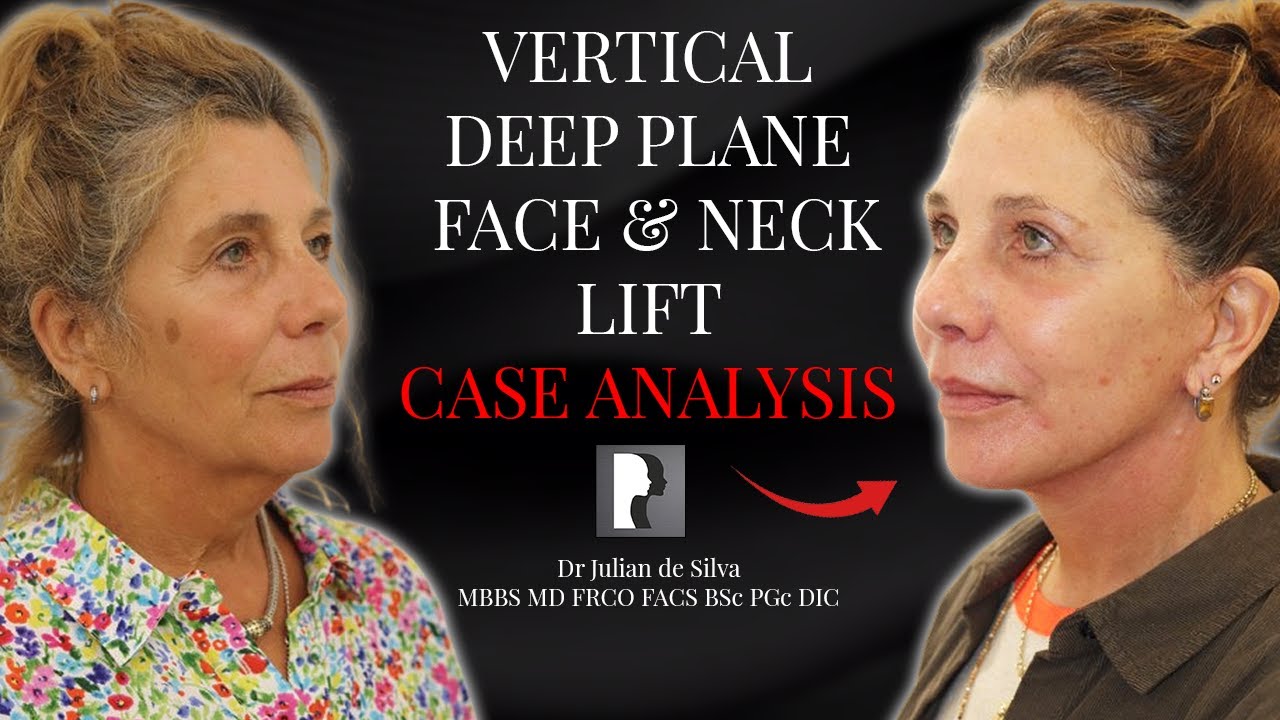
60 Year old looks 20 years younger with this INCREDIBLE Facelift Transformation!
Can Rhinoplasty Be Combined with Other Techniques?
Dr De Silva frequently combines rhinoplasty with other facial procedures to give a natural-looking result and avoid the use of scars associated with conventional techniques:

Upper Third of the Face:
- Blepharoplasty
- Brow & Forehead Lift
- Anti-wrinkle treatments for fine lines

Middle Third of the Face:
- Volume augmentation of the cheeks
- Fat-transfer to the mid-face & cheeks
- Skin resurfacing for lines & deep wrinkles
- Anti-wrinkle injections for fine lines

Lower Third of the Face:
Interested in Rhinoplasty in London? Get In Touch
Trust your face to one of the best surgeons for rhinoplasty in England. If you are thinking about enhancing your facial features with nose surgery, Dr De Silva’s comprehensive knowledge and extensive expertise make him your top choice.

Dr. Julian De Silva is a renowned facial cosmetic surgeon at Harley Street, London, specializing in facelift, blepharoplasty, and rhinoplasty. Known for natural-looking results, he has treated top celebrities and uses advanced technology for fast recovery. Dr. De Silva is also a recognized author and educator in aesthetic surgery.
Your Nose Surgery Questions, Answered
I Live Abroad, How Can I Have Surgery?
I Live Abroad, How Can I Have Surgery?
Dr De Silva has a large number of patients who live overseas. Our specialist team can help you organise a virtual consultation and coordinate your trip to the UK. You would need to stay in the UK after surgery so that Dr De Silva can monitor your healing process to ensure optimal results. Overseas patients can fly back home after 3 weeks for short-haul patients and 6 weeks for long-haul patients.
How long does rhinoplasty last -is it permanent?
How long does rhinoplasty last -is it permanent?
For the vast majority of patients, rhinoplasty produces permanent results. Once the nasal structures have been reshaped and fully healed ; a process that takes 12 to 18 months, the changes are stable and long-lasting. The nose does continue to age naturally over decades, as all facial structures do, but the improvements from surgery remain.
Dr De Silva uses cartilage grafts where appropriate to provide structural support and longevity to the result - particularly important for tip refinement and cases where the bridge has been reduced. Where additional volume or refinement is desired over time, non-surgical treatments can complement the surgical result. An accurate assessment of what technique is most appropriate for lasting results in your specific case is discussed at consultation.
Is There a Non-Surgical Alternative to Rhinoplasty?
Is There a Non-Surgical Alternative to Rhinoplasty?
Yes, non-surgical rhinoplasty uses dermal filler to subtly reshape the nose without surgery. It can smooth a small hump, correct minor irregularities, lift a mildly drooping tip, or add definition to the bridge. Results are temporary, typically lasting around 12 months, and are best suited to patients with mild concerns or those not yet ready for surgery.
It is important to have non-surgical rhinoplasty performed only by an experienced, medically qualified clinician. The nose has a complex network of blood vessels, and injection technique in this area requires specialist anatomical knowledge to be performed safely. Dr De Silva offers non-surgical rhinoplasty and brings his full understanding of nasal anatomy to this procedure, ensuring it is performed with precision and a clear plan for the result.
Can a Hump on the Bridge of My Nose Be Removed?
Can a Hump on the Bridge of My Nose Be Removed?
Yes. A dorsal hump, the bump on the bridge of the nose, can be precisely reduced with rhinoplasty. The hump usually consists of bone and cartilage, which Dr De Silva reshapes using specialised techniques such as diamond burrs, ultrasonic instruments, and micro-tools for greater accuracy and minimal swelling.
The process involves both technical precision and artistry: once the hump is refined, the nasal bridge is contoured to create a smooth, natural profile that complements the rest of the face.
What Makes a Natural, Beautiful Nose?
What Makes a Natural, Beautiful Nose?
A natural, beautiful nose is one that complements the face; in proportion, harmonious with surrounding features, and without any sign of surgical alteration. It should support breathing function, suit the individual's facial structure, gender and heritage, and blend seamlessly into the overall facial balance.
Dr De Silva approaches every rhinoplasty using Golden Ratio facial analysis; a mathematical framework for evaluating facial proportion. By mapping the nose in relation to the chin, forehead, eyes and facial width, he identifies the precise refinements that will create harmony rather than simply change a feature. For women, this may involve a gentle slope along the bridge; for men, a straighter line that retains definition. For patients of different ethnic backgrounds, adjustments are made with careful attention to preserving the features that make each face individual. The goal is always a result that looks like the best version of your own nose.
Do All Patients Need Their Nose Broken During Rhinoplasty?
Do All Patients Need Their Nose Broken During Rhinoplasty?
No, not every rhinoplasty requires the nasal bones to be repositioned. This step, known as an osteotomy, is performed when the bridge needs to be narrowed or a hump correction requires the bones to be brought together. Approximately two-thirds of rhinoplasty patients require this; the remaining third do not.
When osteotomies are needed, Dr De Silva performs them internally, without any external incisions using precise controlled techniques to achieve a smooth, symmetrical result. Avoiding osteotomy where possible means less bruising, less swelling and a faster recovery. Whether your procedure requires this step will be discussed clearly at consultation, along with what it involves and what to expect during recovery.
Should I Bring Photos to My Consultation?
Should I Bring Photos to My Consultation?
Yes, photographs are a useful starting point for discussing your goals. Bringing images of noses you find appealing helps Dr De Silva understand the aesthetic direction you have in mind and provides a shared reference point for planning.
It is worth bearing in mind that many images of celebrities and public figures are edited or photographed under specific lighting conditions, and that what suits one face may not suit another. Dr De Silva uses your photographs as references alongside his own Golden Ratio facial analysis and, where appropriate, digital imaging, to plan a result that is realistic and natural for your individual face. The most important outcome is a nose that looks right for you.
Will rhinoplasty look natural, or will people know I've had surgery?
Will rhinoplasty look natural, or will people know I've had surgery?
A well-performed rhinoplasty should be invisible as surgery. The goal is that people notice your face looks more balanced and harmonious, not that they can identify a specific change. Dr De Silva's approach is consistently guided by the principle that the nose should complement your face rather than draw attention to itself.
He uses advanced ultrasonic instruments and diamond burr technology to reshape bone and cartilage with exceptional precision and minimal trauma, reducing swelling and bruising significantly compared to traditional techniques. Every rhinoplasty is planned using Golden Ratio facial analysis; evaluating the nose in relation to your chin, forehead and facial proportions, to ensure the result enhances your individual features rather than imposing a generic aesthetic.
How do I know if Dr De Silva is the right rhinoplasty surgeon for me?
How do I know if Dr De Silva is the right rhinoplasty surgeon for me?
Choosing a rhinoplasty surgeon is one of the most important decisions in the process; the nose is the most technically demanding area of facial surgery, and differences of less than a millimetre are visible in the final result. The questions worth asking are: does the surgeon specialise exclusively in the face? Do their results consistently look natural across a range of patient types? Do they have dedicated experience in your specific concern?
Dr De Silva is a facial-only specialist who has dedicated over 20 years exclusively to facial surgery. He has published over 30 peer-reviewed journal articles and book chapters on rhinoplasty, and authored the Complete Guide to Rhinoplasty and Nose Reshaping. He teaches rhinoplasty technique to other surgeons internationally and sees patients from more than 70 countries. Over 1,000 five-star reviews reflect consistent, natural outcomes. A consultation is the right next step — it is an opportunity to assess his approach firsthand before making any commitment
I have never had surgery before and I am nervous. What should I expect?
I have never had surgery before and I am nervous. What should I expect?
Being nervous before your first surgical procedure is entirely normal, and Dr De Silva's team is experienced in supporting patients through this. At consultation, Dr De Silva takes considerable time to explain every aspect of the procedure, answer all your questions, and ensure you have a clear, honest picture of what to expect - before, during and after surgery.
Dr De Silva performs rhinoplasty under his patented Rapid Recovery Twilight Sedation (RRTS) protocol rather than general anaesthetic, which many first-time patients find significantly more reassuring. You remain comfortable and unaware throughout the procedure, wake much faster, and experience far less nausea and grogginess than with general anaesthesia. Most patients find the experience considerably more straightforward than they anticipated. His team provides support throughout recovery, and Dr De Silva offers lifelong follow-up care to all his patients.
.
Will I have visible scars after rhinoplasty?
Will I have visible scars after rhinoplasty?
Scar placement depends on the technique used. In closed rhinoplasty, all incisions are made inside the nose, leaving no external scarring whatsoever. In open rhinoplasty, a small incision is made across the narrow strip of tissue between the nostrils, which heals to a fine, inconspicuous line that is difficult to detect even at close range.
Dr De Silva uses micro-incisions and tissue adhesive to support optimal healing and minimise any visible marks. The choice between open and closed technique is determined by your specific anatomy and what the surgery needs to achieve. For patients where scar minimisation is a priority, Dr De Silva will discuss which approach is most appropriate at consultation.
What is the difference between open and closed rhinoplasty?
What is the difference between open and closed rhinoplasty?
Open and closed rhinoplasty are the two main surgical approaches used to reshape the nose. In open rhinoplasty, a small incision is made across the columella, the strip of skin between the nostrils, providing direct access to the nasal framework for precise correction of complex structures. This method allows greater visibility and control but may result in slightly more swelling and a longer recovery period, with most patients returning to normal activities within two weeks.
In closed rhinoplasty, all incisions are made inside the nostrils, leaving no visible scar. Because the internal tissues experience less disruption, patients typically experience less swelling and a faster recovery, often resuming social or work commitments within 7–10 days.
Does rhinoplasty need to be done in a hospital?
Does rhinoplasty need to be done in a hospital?
No, and for most patients, a specialist dedicated facility offers a significantly better experience than a general hospital setting. Dr De Silva performs all rhinoplasty procedures at his custom-built, CQC-regulated surgical centre at 23 Harley Street, designed specifically and exclusively for facial surgery.
As an outpatient procedure, rhinoplasty does not require an overnight stay. The facility is equipped to the highest clinical standards, fully accredited by the Care Quality Commission, and staffed by specialists in facial surgery and anaesthesia. All medical staff are certified in cardiac life support. Most patients are able to leave the clinic within one to two hours of surgery completing.
What is recovery like after rhinoplasty?
What is recovery like after rhinoplasty?
Most patients wear a nasal splint for approximately one week following rhinoplasty. Swelling and bruising around the eyes and nose is normal in the first one to two weeks and resolves gradually, and most patients feel comfortable returning to social activities within two to three weeks. Dr De Silva's use of twilight sedation rather than general anaesthetic means patients wake faster, feel less nauseous, and typically leave the clinic within an hour of surgery completing.
It is important to understand that rhinoplasty has a longer settlement period than most procedures. The nose continues to refine and reduce in swelling for 12 to 18 months after surgery, with the final result becoming fully visible over this time. Dr De Silva uses specialised anti-inflammatory medications and regenerative medicine techniques to support faster healing and reduce downtime. Strenuous activity and contact sports should be avoided for a minimum of six weeks.
Can rhinoplasty improve my breathing as well as my appearance?
Can rhinoplasty improve my breathing as well as my appearance?
Yes, rhinoplasty and functional nasal surgery are frequently combined, and improving breathing is a central goal for many patients alongside cosmetic refinement. A deviated nasal septum, enlarged turbinates, or structural weakness of the nasal airway can all cause breathing difficulties, and these can be addressed as part of the same procedure.
Dr De Silva evaluates both the cosmetic and functional aspects of the nose at every consultation, assessing the internal nasal structures alongside the external appearance. In some cases, addressing the internal anatomy actually improves the cosmetic outcome as well - restoring structural support that has been lost. An in-person assessment is always required to evaluate breathing concerns, as this cannot be determined from photographs alone.
Is rhinoplasty different for male patients or patients from different ethnic backgrounds?
Is rhinoplasty different for male patients or patients from different ethnic backgrounds?
Yes, significantly so, and this is an area where specialist experience makes a real difference to the result. Male rhinoplasty requires a different aesthetic approach: the angles, proportions and structural balance that create a natural result for a man's face are distinct, and applying a female aesthetic standard produces results that look feminised and unnatural.
Ethnic rhinoplasty requires an understanding of the anatomical differences between different ethnic nose types, including differences in skin thickness, cartilage strength, and nasal structure, as well as a clear commitment to preserving the features that connect a patient to their cultural identity. Dr De Silva has dedicated experience in both male and ethnic rhinoplasty, treating patients from a large range of backgrounds. Dedicated pages for both male and ethnic rhinoplasty are available for more detailed information.
How much does rhinoplasty cost in London?
How much does rhinoplasty cost in London?
The cost of rhinoplasty varies depending on a number of individual factors including whether the procedure is primary or revision surgery, whether the open or closed approach is used, the complexity of the anatomy, and whether additional techniques such as cartilage grafting or septoplasty are required.
At Dr De Silva's Harley Street practice, the fee is all-inclusive; covering the surgery fee, anaesthetic and facility costs with no hidden additional charges. Cosmetic surgery is not covered by the NHS or health insurance, though in cases where a breathing concern has an underlying medical cause, partial coverage may occasionally apply. An accurate cost assessment is only possible following a personal consultation, where Dr De Silva can assess your nose specifically and discuss the approach most suited to your goals. The consultation fee is deducted from the surgical fee if you decide to proceed.
For an exact fee, book a consultation.
Can I have rhinoplasty in the summer?
Can I have rhinoplasty in the summer?
Yes, rhinoplasty can be performed at any time of year, and summer is a popular time for patients who can use annual leave for recovery. A few additional precautions are needed during warmer months.
Direct sun exposure should be avoided for at least six months following rhinoplasty, as healing skin on the nose is more sensitive to UV damage and can darken with sun exposure. Swimming should be avoided for a minimum of six weeks. Wearing a wide-brimmed hat and applying broad-spectrum SPF 30 or higher whenever outdoors is strongly recommended throughout the recovery period. You will also need to avoid wearing glasses on the bridge of your nose for six weeks. Dr De Silva provides personalised aftercare guidance tailored to your specific recovery timeline and the season.
I am getting married soon. How far in advance should I have rhinoplasty?
I am getting married soon. How far in advance should I have rhinoplasty?
It is best to allow a minimum of six months between rhinoplasty and an important event such as a wedding. While most visible bruising and swelling resolve within two to three weeks, subtle swelling, particularly around the nasal tip can persist for several months, especially after revision or more complex surgery.
For straightforward cases involving only a small correction, recovery may be faster. However, because the final result of rhinoplasty is not fully visible until 12 to 18 months post-surgery, photographs from an event at six months will show a result that is very close to, but not quite, the final outcome. Dr De Silva uses refined techniques and anti-inflammatory treatments to minimise swelling and downtime, but timing should always be planned conservatively around important personal events.
I Have a Cold, Can I Have Rhinoplasty Surgery?
I Have a Cold, Can I Have Rhinoplasty Surgery?
A mild upper respiratory tract infection - a common cold without fever, generally does not require postponing rhinoplasty surgery, provided there is no increased risk of bleeding or infection. Dr De Silva will assess your symptoms at the pre-operative appointment and advise accordingly.
However, symptoms of a bacterial infection- thick nasal discharge, fever, or significant congestion, usually require a short delay to allow antibiotic treatment and full recovery before proceeding. Because rhinoplasty is a non-urgent procedure, if there is any increased risk of infection, swelling or bleeding, the safest course is to reschedule until you are fully recovered. Please notify the clinic as soon as possible if you develop symptoms close to your surgery date.
.
What Is the Right Age for Rhinoplasty?
What Is the Right Age for Rhinoplasty?
Rhinoplasty can be performed once facial growth is complete, so generally from around age 17 onwards, though this varies between individuals. Most patients seek surgery in their twenties and thirties, though suitable candidates can range from late teens through to older adults.
Younger patients often pursue rhinoplasty after years of self-consciousness about their appearance or significant breathing difficulties, while older patients may seek correction for age related changes such as a drooping nasal tip or structural irregularity that has developed over time. Dr De Silva assesses each patient individually, considering physical development, emotional readiness, and the specific goals and expectations for surgery and only proceeds when it is genuinely in the patient's best interest.
Can I Have Rhinoplasty as a Teenager?
Can I Have Rhinoplasty as a Teenager?
Rhinoplasty may be appropriate for younger patients once facial growth is complete; generally from around age 17. Dr De Silva considers both physical development and emotional readiness carefully before recommending surgery for any younger patient, and takes time to ensure the decision is being made for the right reasons and with full parental support.
Functional concerns such as a deviated septum affecting breathing can also be corrected at the same time as cosmetic rhinoplasty. For younger patients particularly, Dr De Silva approaches the consultation with care, ensuring expectations are realistic, the motivations are sound, and the patient has a clear understanding of the procedure and recovery before any commitment is made.
How Long Does it Take to Heal from Rhinoplasty?
How Long Does it Take to Heal from Rhinoplasty?
Healing after rhinoplasty follows a broadly predictable timeline, though individual variation is normal. Most bruising and swelling improve significantly within the first two to three weeks, allowing patients to return to social activities with confidence.
Subtle swelling, particularly around the nasal tip can persist for 6 to 12 months as tissues continue to settle. This is a normal and expected part of the healing process. Complete healing depends on the complexity of the procedure, individual anatomy, and ethnicity; patients with thicker skin or those undergoing revision rhinoplasty may experience a longer swelling phase. Final results are fully visible at 12 to 18 months. Dr De Silva uses specialised anti-inflammatory medications and regenerative medicine techniques to support the healing process and reduce downtime.
When Can I Drive After Surgery?
When Can I Drive After Surgery?
Most patients are able to drive within three to five days of rhinoplasty, once they feel fully alert and confident in their ability to react quickly. On the day of surgery and the day following, driving is not appropriate due to the effects of sedation.
Dr De Silva uses twilight sedation rather than general anaesthetic for rhinoplasty, which means patients wake significantly faster and experience less grogginess than with general anaesthesia. However, you should not drive until you feel entirely clear-headed and comfortable and until you are no longer taking any prescription pain relief that may affect alertness. If you are in any doubt, err on the side of caution and arrange alternative transport for a further day or two.
How Soon After Rhinoplasty Can I Fly?
How Soon After Rhinoplasty Can I Fly?
Flying should be avoided for a minimum of one week following rhinoplasty. Most patients have a nasal splint and, in some cases, stitches that are removed at approximately one week post-surgery, so flying before this point is not recommended.
For short-haul flights, most patients can travel from approximately three weeks after surgery. For long-haul international travel, Dr De Silva recommends waiting six weeks to ensure the nose has stabilised sufficiently and that adequate follow-up care has been completed. Overseas patients should factor this into their planning; Dr De Silva's team can help coordinate the timing of your visit and follow-up appointments to accommodate your travel arrangements.
When can I wear glasses after rhinoplasty?
When can I wear glasses after rhinoplasty?
Glasses must not rest on the bridge of the nose for six weeks following rhinoplasty, as the weight can affect healing and potentially alter the shape of the nasal bridge during the early recovery period. For the first week, the nasal splint provides some protection, but glasses should not be worn on top of it.
From approximately one to six weeks post-surgery, Dr De Silva can advise on temporary support options if you need to wear glasses, typically involving taping the frames to the forehead to take the weight off the nose entirely. Contact lenses are fine to use as soon as you feel comfortable, provided there is no irritation. Sunglasses follow the same six-week restriction as regular glasses.
How Will Hay Fever Affect Rhinoplasty?
How Will Hay Fever Affect Rhinoplasty?
Hay fever is a common condition in which the lining at the back of your nose has a tendency to become inflamed and thickened by an allergy to pollen. Characteristically, this can result in symptoms of stuffiness, sneezing, and nasal discharge.
Rhinoplasty will result in swelling immediately after the surgery, which can result in symptoms of congestion. Rhinoplasty will not change or be affected by hay fever. It will change the shape of your nose; however, it will not affect the lining of the nose, and the tendency for hay fever will remain after surgery and require the same treatment, including antihistamines.
How long should I avoid sun exposure after rhinoplasty?
How long should I avoid sun exposure after rhinoplasty?
Direct sun exposure should be avoided for at least six months following rhinoplasty. The healing skin on the nose is more sensitive to UV damage during recovery and can develop hyperpigmentation with sun exposure, which is difficult to reverse.
Whenever outdoors, Dr De Silva recommends wearing a wide-brimmed hat and applying a broad-spectrum sunscreen of SPF 30 or higher to the nose. While it is generally safe to travel or holiday from approximately one week after surgery, protecting the nose from the sun is essential throughout the recovery period. Numbness in the skin during early healing can also reduce your awareness of sunburn, making consistent sun protection particularly important.
Can I Use Nicotine Products After Rhinoplasty?
Can I Use Nicotine Products After Rhinoplasty?
Nicotine causes blood vessels in the skin to narrow, a process called vasoconstriction, which reduces blood flow essential for healing. Good circulation is vital for your nose to recover quickly and naturally after rhinoplasty surgery.
Using nicotine products can delay healing and increase the risk of complications. For the best results, Dr De Silva strongly recommends avoiding all nicotine products for at least 6 weeks before and after surgery.
Is it normal to experience pain or headaches after rhinoplasty?
Is it normal to experience pain or headaches after rhinoplasty?
Most patients find rhinoplasty considerably less painful than expected. Discomfort and any pain typically settle within 24 to 48 hours after surgery, and over-the-counter paracetamol is usually sufficient for management. Dr De Silva's use of twilight sedation rather than general anaesthetic contributes to a more comfortable post-operative experience overall.
For patients who have had nasal bone narrowing (osteotomies), some mild sensitivity or intermittent discomfort over the nasal bridge can persist for several weeks. Swelling of the nasal lining can also cause a sense of congestion and, in some cases, mild headaches- particularly in patients with a tendency toward hay fever or sinusitis. These symptoms are manageable with anti-inflammatory medications and resolve as healing progresses. If you experience severe or worsening pain at any point, contact Dr De Silva's team promptly.
Can Rhinoplasty Change My Voice?
Can Rhinoplasty Change My Voice?
It’s very unlikely. Most patients notice no change in their voice after rhinoplasty. Minor, temporary differences can occur due to post-operative swelling or congestion, which settle within weeks.
In rare cases, subtle changes may be heard in languages with naturally nasal tones, but these are uncommon. Patients with breathing issues often find their voice improves as nasal airflow becomes clearer.
Because Dr De Silva performs rhinoplasty under twilight sedation, the vocal cords are not affected by a breathing tube, further reducing any risk. He has treated many professionals who rely on their voices, ensuring results that preserve both function and tone.
Will rhinoplasty affect my sense of smell?
Will rhinoplasty affect my sense of smell?
Immediately after surgery, the nose feels blocked due to internal swelling of the nasal lining, and your sense of smell may be temporarily altered. Dr De Silva does not use nasal packs after rhinoplasty -a significant comfort advantage over many other practices, but some congestion is normal as the inner lining settles in the first week.
Any change to the sense of smell during the recovery period is due to swelling rather than structural change, and returns to normal over the first four to six weeks as healing progresses. A permanent change to the sense of smell is very rare and is not an expected outcome of rhinoplasty performed by an experienced specialist.
Will rhinoplasty affect my smile?
Will rhinoplasty affect my smile?
For most patients, the smile returns to normal within a few days of surgery. Because the upper lip lies directly beneath the nose, it can be temporarily affected by post-operative swelling in the immediate recovery period, sometimes creating a sensation of stiffness or a slightly altered smile.
This is entirely normal and resolves as swelling reduces over the first few weeks. It is not a sign of any structural change as the muscles and tissues of the lip are not affected by rhinoplasty. By four to six weeks, the smile is fully back to normal in the vast majority of patients.