

Facelift in London
A Facelift in London by Dr De Silva combines facial-only expertise, minimally invasive techniques and over 20 years’ experience to restore facial harmony with natural, long-lasting results.
What Is a Facelift?
A facelift, medically known as rhytidectomy, is a specialised facial rejuvenation procedure designed to lift and reposition underlying facial structures. It smooths deep folds and restores definition to the face and neck while preserving a natural, refreshed appearance. Subtle adjustments to deeper tissues, rather than surface skin alone, create lasting improvements in facial harmony.
In addition to performing traditional facelifts in London, Dr Julian De Silva is an expert in the Vertical Deep Plane facelift technique. This advanced approach lifts and repositions the deeper facial tissues, delivering a more natural and longer-lasting rejuvenation.

Facelift at a Glance

Surgery Time

Hospital Stay

Anaesthetic

Time Off Work

Shower

Return To Routine

Exercise

Sexual Activity

Driving

Recovery
Featured In



Are You a Suitable Candidate for a Facelift?
Answer 30 KEY questions (take less than 5 mins) and receive free customised results and advice.
Discover Our Facelift Patient Results
Browse the before and after galleries of our facelift patients
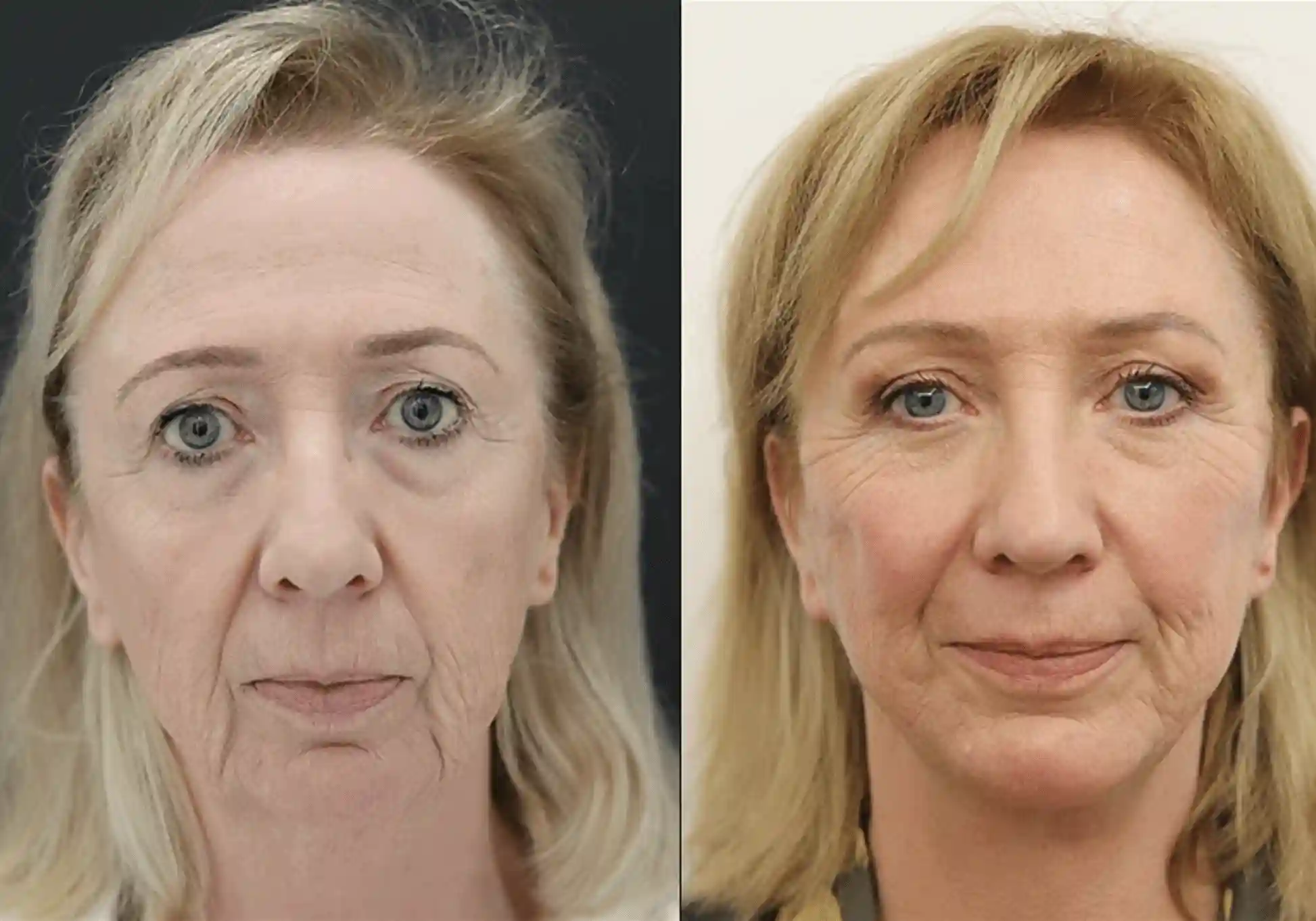
A more youthful natural appearance was restored by Dr Julian De Silva’s using his signature Vertical Deep Plane Facelift Restore.
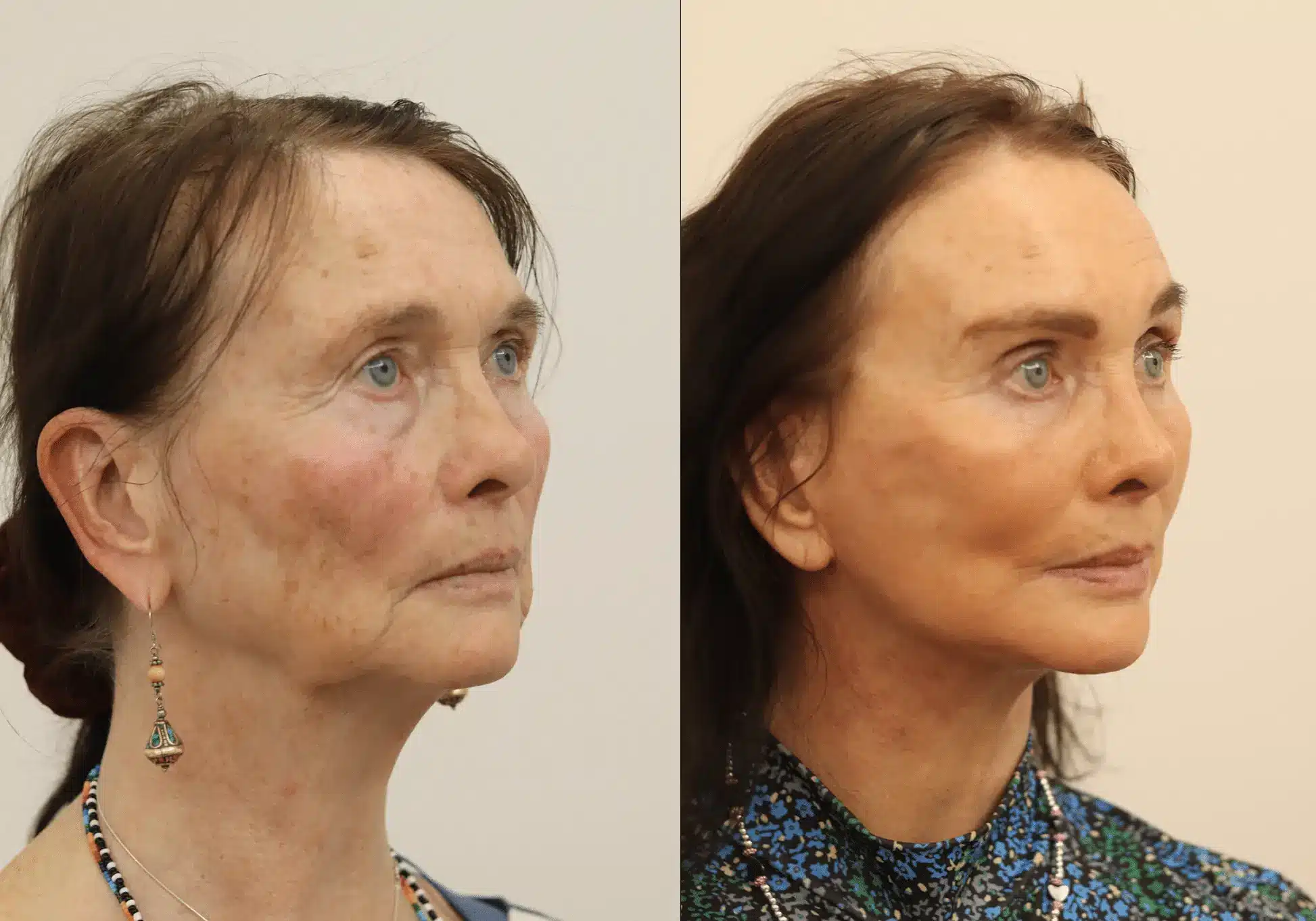
A refreshed, natural transformation. This lovely patient underwent Dr. Julian De Silva’s signature facelift, neck lift, and fat transfer to restore youthful volume, smooth loose skin, and redefine her jawline—achieving a beautifully rejuvenated look without changing her unique features.
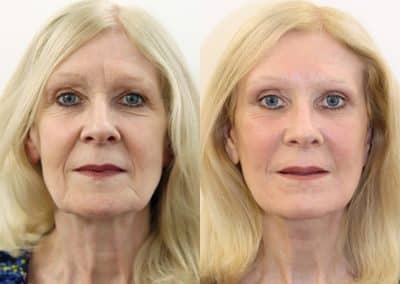
This lovely patient in her 50s wanted a fresher look. Dr. De Silva performed a deep plane facelift and neck lift to restore her jawline, lift her cheeks, and smooth her neck. She looks rejuvenated—and most importantly, natural.
A more youthful natural appearance was restored by Dr Julian De Silva’s using his signature Vertical Deep Plane Facelift Restore.
A refreshed, natural transformation. This lovely patient underwent Dr. Julian De Silva’s signature facelift, neck lift, and fat transfer to restore youthful volume, smooth loose skin, and redefine her jawline—achieving a beautifully rejuvenated look without changing her unique features.
This lovely patient in her 50s wanted a fresher look. Dr. De Silva performed a deep plane facelift and neck lift to restore her jawline, lift her cheeks, and smooth her neck. She looks rejuvenated—and most importantly, natural.

Twilight Sedation: A Gentler, Safer Alternative to Facial Surgery
Dr. De Silva performs facial surgery using twilight sedation, a controlled and comfortable technique that avoids the risks and grogginess of general anesthesia. Patients remain deeply relaxed, maintain natural breathing, and experience faster, smoother recovery.

Why Patients Choose Dr De Silva for a Facelift in London
Unlike general plastic surgeons, Dr De Silva practises facial surgery only, allowing for a deeper understanding of facial anatomy, ageing patterns, and structural balance. Over the last 20 years, he has pioneered signature techniques helping to restore youthful contours while avoiding an over-pulled or unnatural appearance. His custom approach combines advanced structural lifting with cutting-edge technologies rarely available in conventional UK practice.
Dr De Silva is internationally recognised for his work in facial aesthetics and is the creator of the Centre for Advanced Facial Cosmetic and Plastic Surgery on Harley Street, London. His board-certified status and expert-level training place him among an elite group of facial plastic surgeons in the United Kingdom. This expertise ensures highly specialised care with natural, refined results designed to age gracefully over time.
"My focus has and always will be to be the very best at what I do, to continually innovate to provide world-class leadership to all my team, all my patients and all my associates. My mission is to help every patient be the very best version of themself with World-Class services, life-long follow-up with complimentary facial aesthetic procedures."
— Dr Julian De Silva
Tissue Glue For Reduced Bruising and Swelling
Advanced Recovery Methods
Long-Lasting, Enhanced Results
Harley Street Expert Care
All facelift procedures are performed discreetly and safely in Dr De Silva’s CQC-accredited Harley Street clinic, eliminating the need for general anaesthetic or inpatient hospital care, while maintaining the highest standards of safety and discretion.
Twilight Sedation for Comfort and Safety
Facelift surgeries
Watch Our Patient Video Diaries
Watch the healing journey of our real-life facelift patients and discover what life post-facelift is like.


Facelift Surgery With Dr Julian De Silva
Facial anatomy demands precision and a safety-led approach. Dr De Silva’s method combines advanced facelift surgery with selective structural enhancement, including US-sourced medical-grade implants when required, to refine the jawline, chin, or midface with natural, long-lasting balance.


The Surgical Experience, Explained
All facelift surgery exclusively takes place at Dr De Silva’s private Harley Street clinic, under twilight sedation so that patients can return to the comfort of their homes the same day. The procedure length typically lasts 1-3 hours, depending on the complexity of the case.
Initial Consultation
Day of Surgery
Follow-up Appointment
Read Our Surgery Reviews

Types of Facelift Surgery Offered by Dr De Silva
While non-surgical treatments offer temporary improvements, a facelift provides a more durable solution to ageing signs, with results that can last for many years. There are a number of different types of facelifts available.
Primary Facelift
Signature Vertical Deep Plane
The deep plane facelift is the most advanced technique, providing natural results by repositioning the facial layers to restore volume and address sagging. While this is one of Dr De Silva’s surgical specialities, this type of facelift is performed by less than 5% of facial plastic surgeons due to its complexity and the requirements for deep anatomical expertise.
SMAS Facelift
Revision Facelift
A Skin-Only Facelift
S-Lift, MACS Lift
One Stitch Facelift
Mini Facelift
The mini facelift is similar to the S-lift in that smaller incisions are used. In this case, only the SMAS muscle is altered, for a lift that provides a refreshed look but less dramatic results than more traditional or invasive surgery. This procedure is suitable for those with early facial ageing.
Endoscopic Facelift
Male Facelift
Male facelift restores a strong jawline, tightens sagging skin, and preserves masculine features, using tailored techniques that avoid feminisation while ensuring discreet scars and natural results.
Am I a Good Candidate for Facelift Surgery?
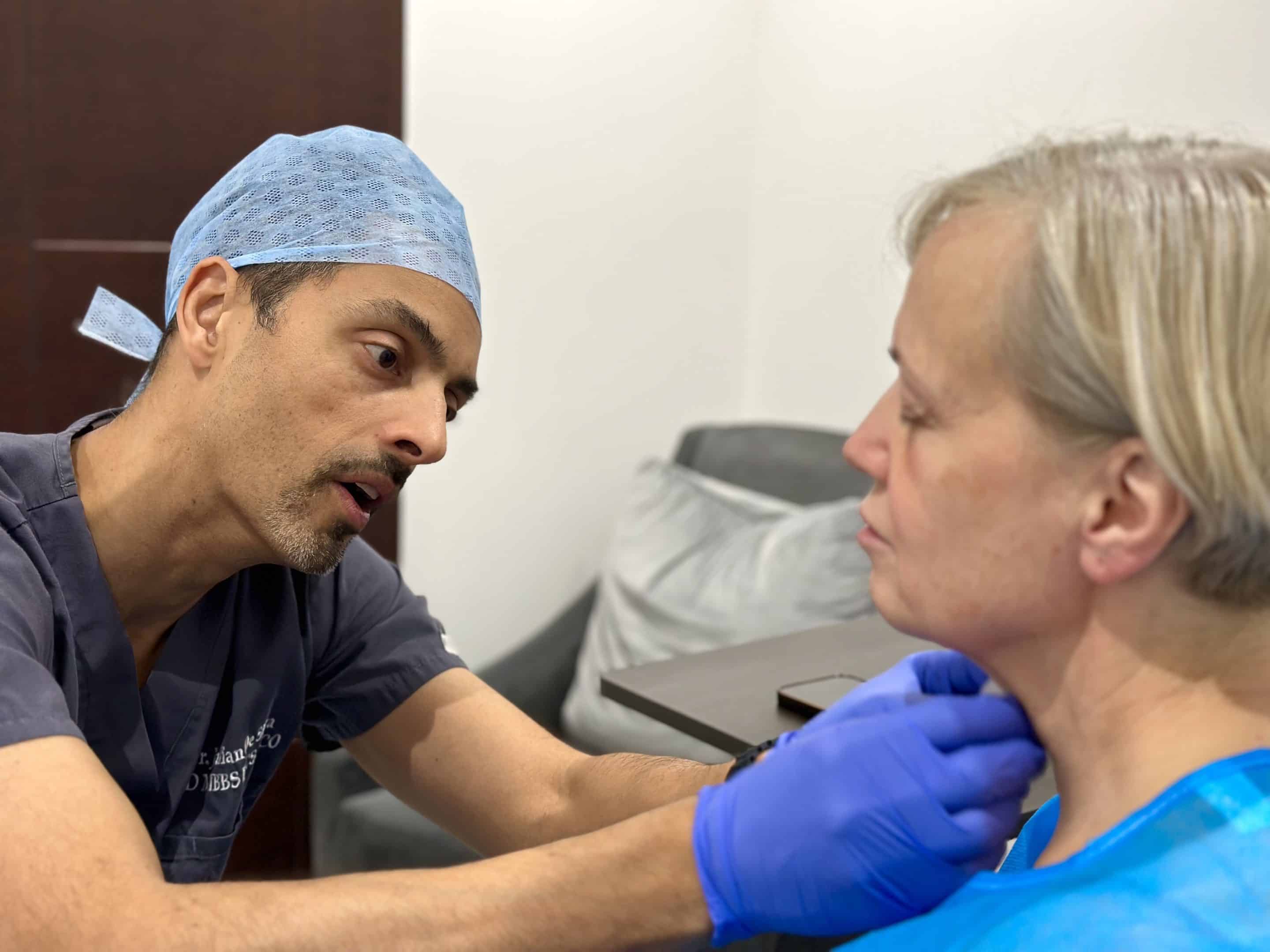
A good candidate for a facelift is someone experiencing facial ageing with symptoms of sagging of the skin and soft tissues of the face, deepening of the nasolabial folds (a line between nose and mouth) and loose skin below the neck with loss of the angle between the chin and neck. The patient should be in good health and a non-smoker with realistic goals of rejuvenating their face. Dr De Silva will discuss your individual case in detail at your consultation to find the best solution for your condition.
Learn More about Dr Julian De Silva’s work
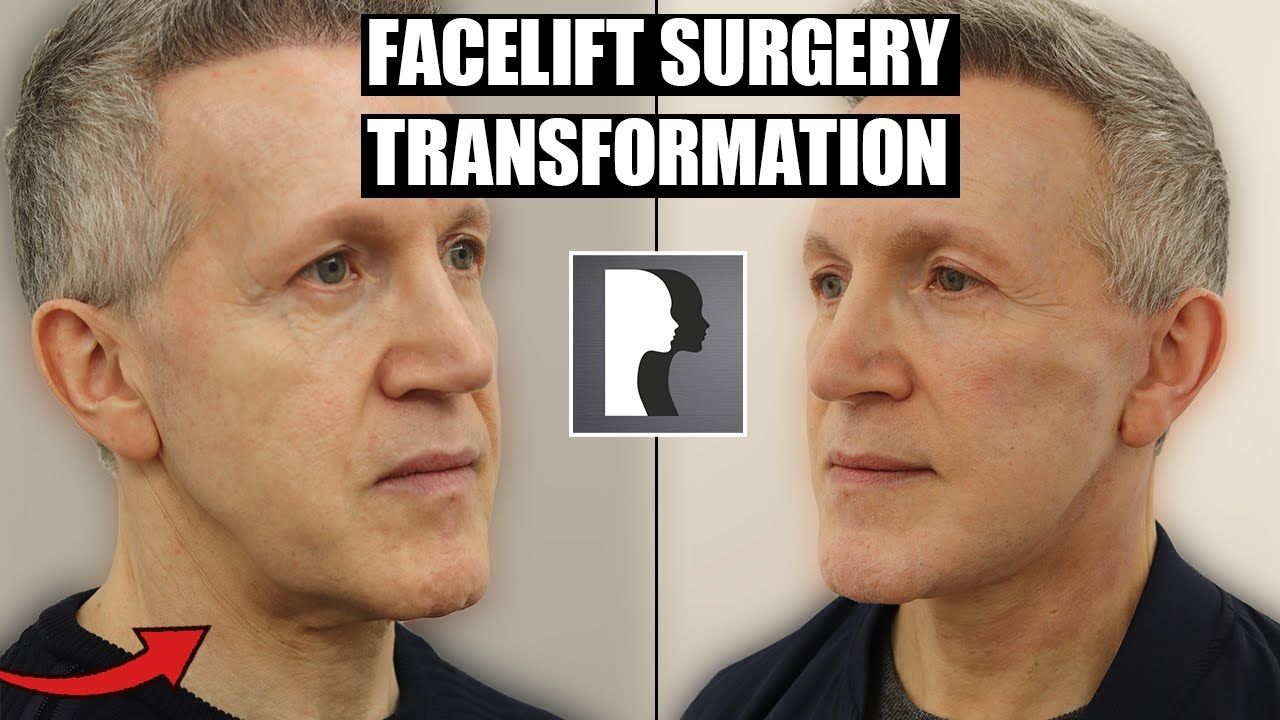
AMAZING MALE FACELIFT TRANSFORMATION IN ONLY 2 MONTHS! – NATURAL RESULTS
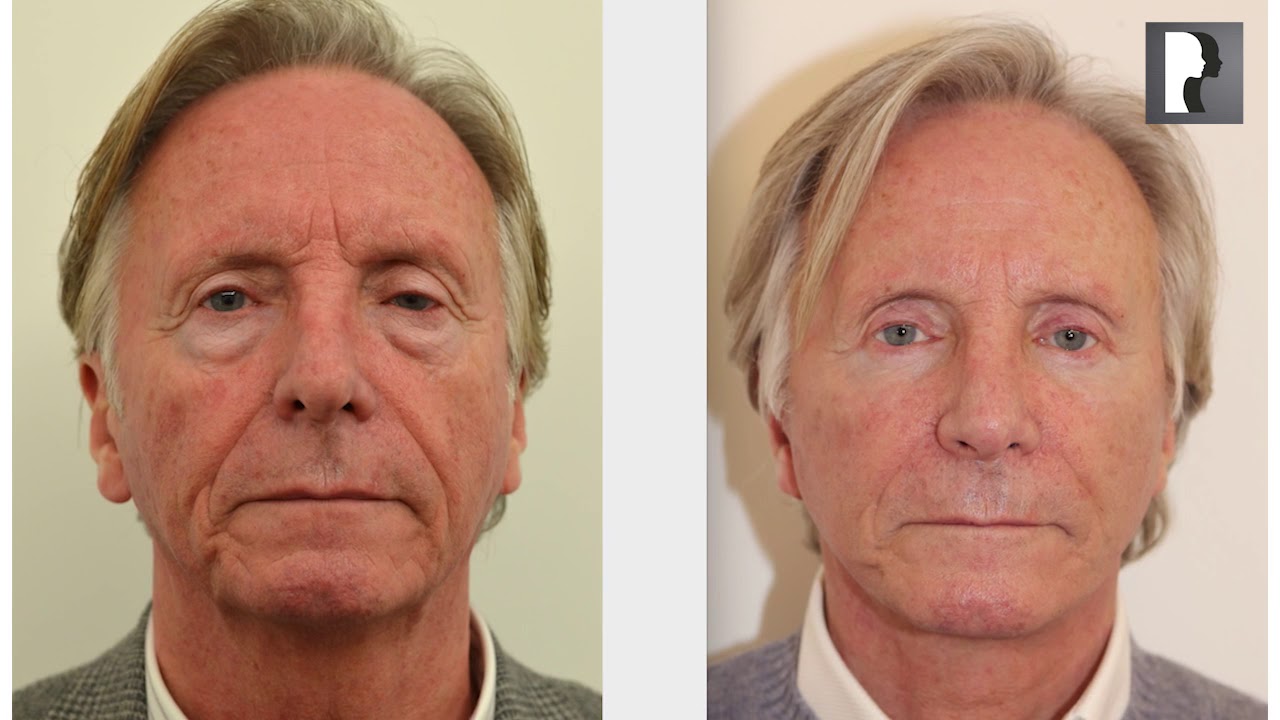
My experience of Natural facelift & neck lift surgery in London
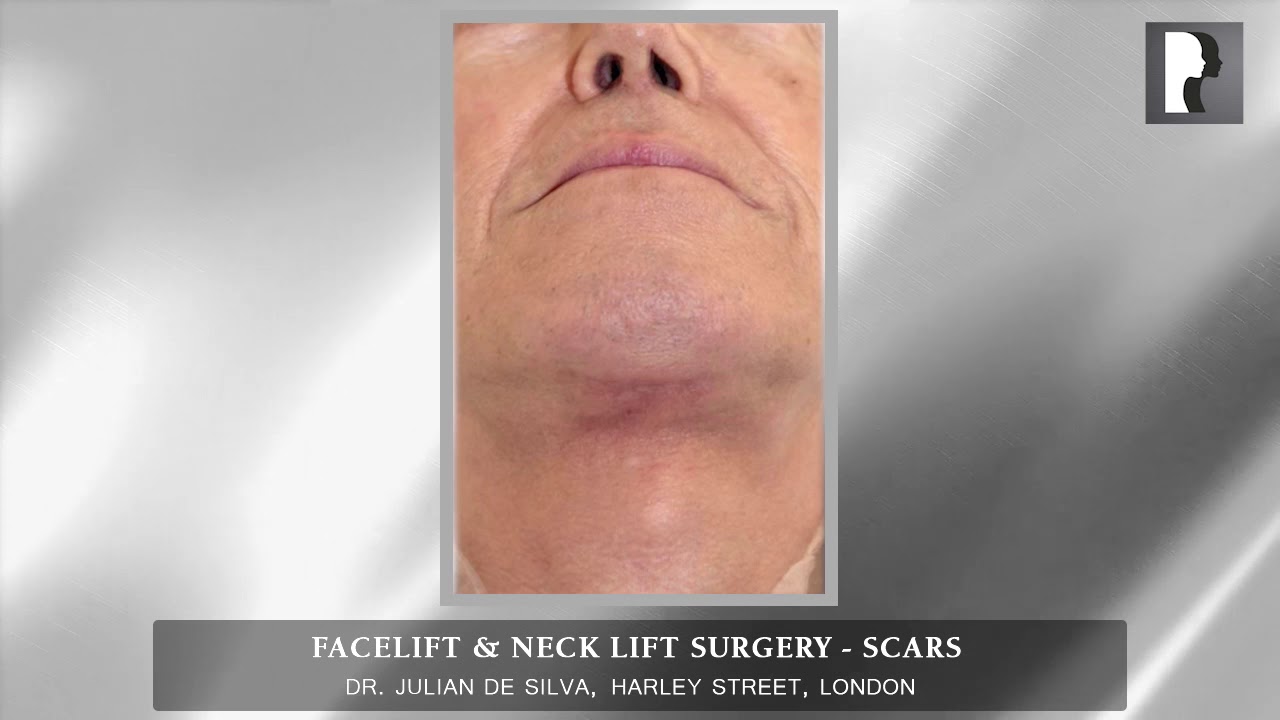
Natural Facelift & Neck Lift Surgery in London – Scars
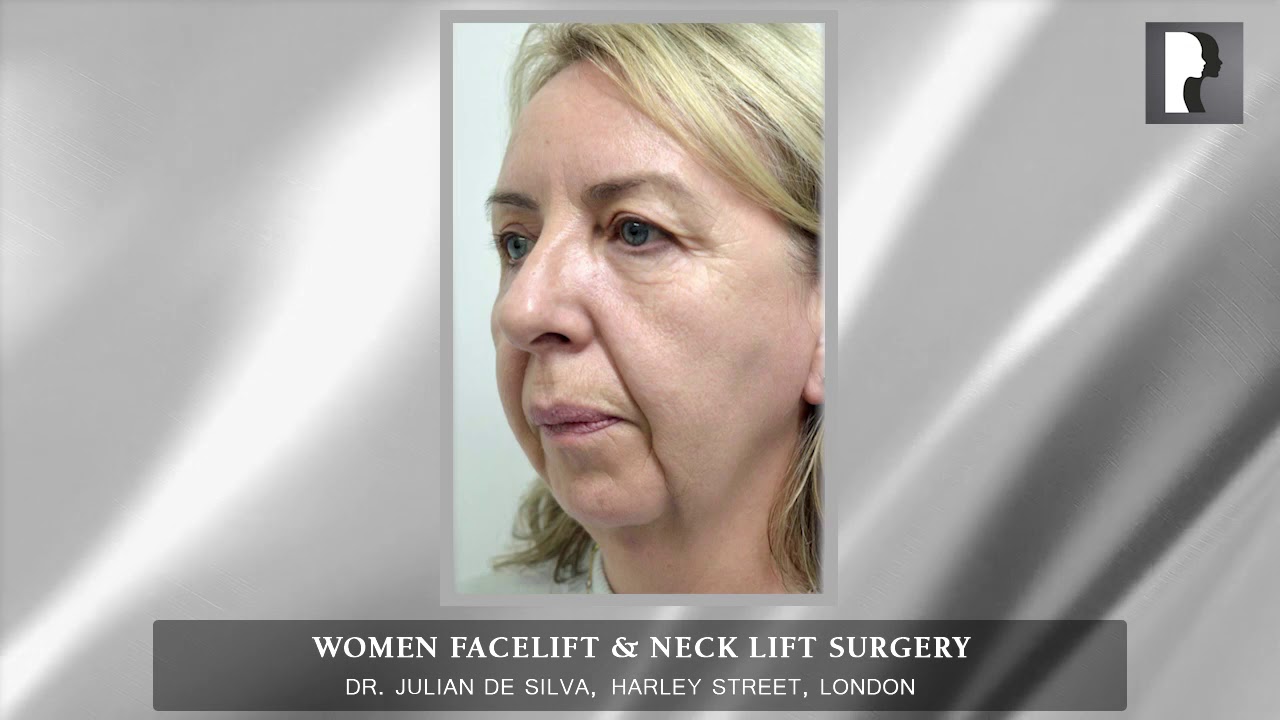
Natural Women Facelift & Neck Lift Surgery in London
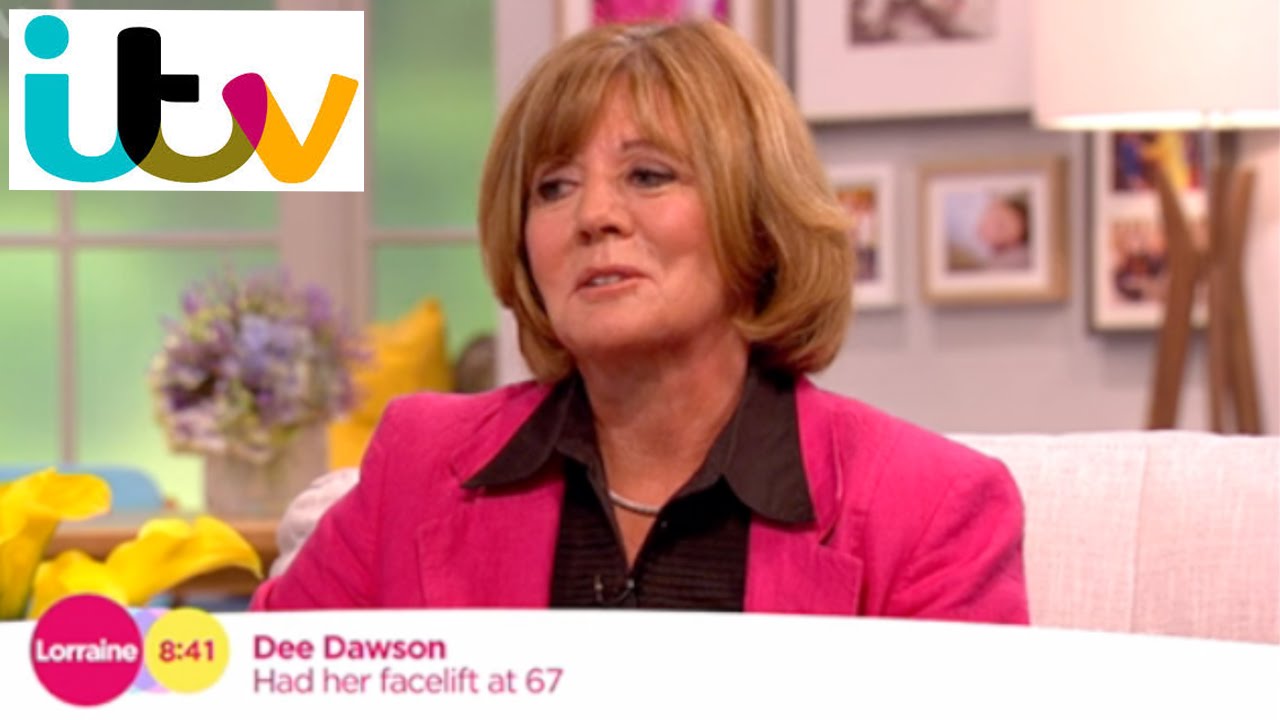
ITV Lorraine Show Featured patient of Dr. Julian De Silva, underwent Natural Face and Neck lifting
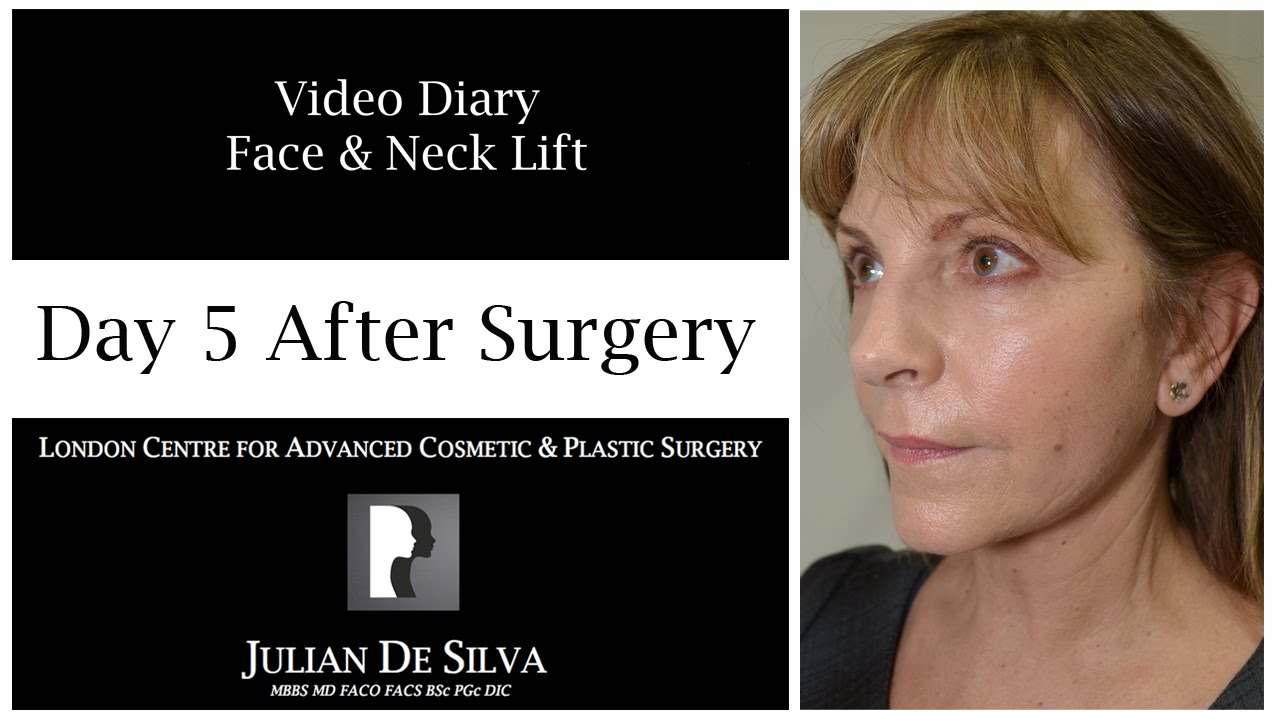
Facelift & Neck Lift Video Diary Day 5 After Surgery
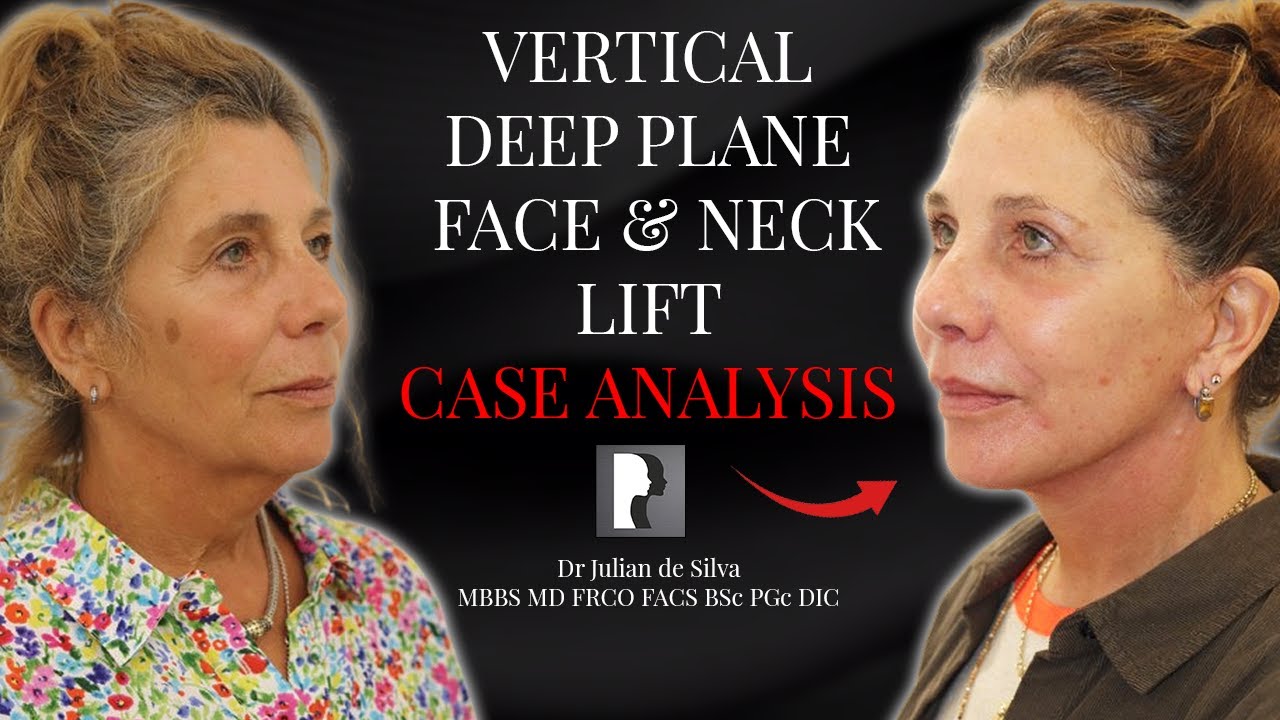
60 Year old looks 20 years younger with this INCREDIBLE Facelift Transformation!
What Facelift Surgery Can Treat
As we age, a combination of gravity, skin laxity, and volume loss leads to changes in facial contours. This can result in loose skin around the jawline and neck, visible bands, fine lines, wrinkles, and a more tired appearance as the skin’s natural elasticity diminishes. A rhytidectomy (facelift) addresses these concerns by restoring structure and definition for long-lasting rejuvenation.
Deep Nasolabial lines
A facelift can effectively treat deep nasolabial lines by lifting and repositioning the underlying facial tissues, smoothing these folds, and restoring a more youthful, natural contour to the face.
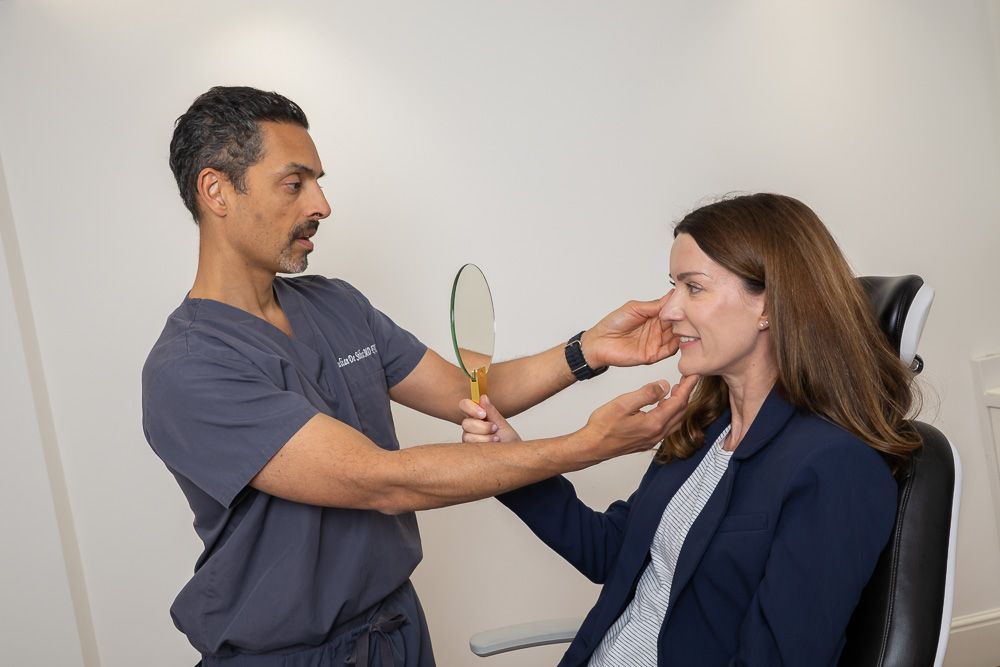
What to Expect From Facelift Recovery
You may experience bruising, which resolves over one to two weeks, and swelling, of which 80% will diminish within two weeks and continue to disappear. While you will have very little pain, you may experience numbness around the ears and chin, which can take six to 12 months to disappear completely.
It is important to rest and allow your body the time it needs to recover without putting it under extra pressure. You may be provided with a wrap for your face and head that helps with swelling and gently icing the area for ten minutes at a time encourages swelling to dissipate. Sleeping in a reclined or sitting-up position is recommended for five to seven days after surgery. It is also recommended not to do any heavy lifting or strenuous activities for at least two to three weeks after surgery.
A Typical Facelift Recovery Timeline
Every recovery is individual, but with Dr De Silva’s advanced surgical techniques and structured aftercare, healing is designed to be smooth, comfortable, and discreet. For a more detailed overview, see our Facelift Recovery Guide.
Even the Best Facelifts Come With Risks
While facelift surgery is generally safe, it’s essential to be aware of potential risks and complications. However, with the extensive experience and advanced knowledge of Dr De Silva, these risks are significantly minimised, ensuring that you’re in expert hands for a safe and successful outcome. Some potential risks include:
- Bleeding
- Infection
- Poor wound healing
- Scarring
- Facial nerve injury
- Fluid accumulation
It is essential to discuss these risks thoroughly with Dr De Silva during your consultation to make an informed decision about your facelift surgery.
Thinking of Pairing a Facelift With Other Surgery?
Sometimes, Dr De Silva may combine additional surgical procedures with a facelift to enhance results and take a comprehensive approach to facial ageing.

Upper Third of the Face
- Blepharoplasty
- Brow & Forehead Lift
- Anti-wrinkle treatments for fine lines
- Laser Resurfacing

Mid Face
- Volume augmentation of the cheeks
- Fat-transfer to the mid-face & cheeks
- Skin resurfacing for lines & deep wrinkles
- Anti-wrinkle injections for fine lines

Lower Face
Book a Consultation at Our Harley Street Practice
If you’re considering facelift surgery, we invite you to schedule a consultation with Dr Julian De Silva. Discover how his expertise can help you achieve the youthful, natural-looking results you desire.

Dr. Julian De Silva is a renowned facial cosmetic surgeon at Harley Street, London, specializing in facelift, blepharoplasty, and rhinoplasty. Known for natural-looking results, he has treated top celebrities and uses advanced technology for fast recovery. Dr. De Silva is also a recognized author and educator in aesthetic surgery.
Facelift FAQs
How long does a facelift last?
How long does a facelift last?
A facelift will typically last for between 5-10 years. Different surgical techniques will impact the longevity of the effect. Dr De Silva believes that a patient who is undergoing cosmetic surgery is investing in their appearance and uses a modified deep plane SMAS facelift to give patients a more durable and longer-lasting result. There are patient factors, including genetic makeup and exposure to the elements such as the sun that will influence the duration of a facelift. Dr De Silva advises all his patients on lifestyle changes that maintain the results of their facelift and may suggest referral to one of his specialist colleagues. Patients are frequently attending for 2nd, 3rd and even 4th facelifts. Other areas of the face age differently to the lower face and neck.
What is the cost of a facelift?
What is the cost of a facelift?
Cost is tailored to an individual patient’s needs and is based on whether it is a full facelift, or neck lift and if there are associated procedures to enhance the result. Additional techniques include volume augmentation, skin resurfacing and specialised eyelid contouring techniques. A good long-lasting result that is free of problems is worth its weight, the quality of your care and outcome is most crucial. Lower-cost surgery may result in compromises in the quality of the result and safety. For an accurate assessment of price, a consultation is required. If you decide to have surgery, the consultation fee will be deducted from your surgical fee.
What won't a facelift do?
What won't a facelift do?
A facelift restores drooping of the soft tissues of the face and the sagging skin of the neck. A facelift will not treat volume loss, termed deflation, in patients with volume loss, Dr De Silva advises volume replacement with fat augmentation or filler that will enhance the facelift result. A facelift will not rejuvenate the skin, fine lines, dark spots and wrinkles. Dr De Silva will advise a combined facelift and skin-resurfacing technique to enhance the results. Commonly a CO2 laser is used to resurface the skin, in some patients of darker skin tones, it is advisable to use an alternative skin resurfacing technique.
I don't want to have general anaesthesia, is there an alternative?
I don't want to have general anaesthesia, is there an alternative?
In the UK, most facelift surgery is completed under general anaesthesia. Dr De Silva does generally use an alternative type of sedation in conjunction with local anaesthesia. This sedation is also known as “twilight anaesthesia” or MAC (monitored anaesthesia care). Twilight anaesthesia means that your body is sleepy and relaxed; you are still conscious and able to respond to questions and instructions, unlike general anaesthesia where you are unconscious, and the recovery after surgery is longer. Typically, you won’t remember the procedure or the short period of time following it, though you will feel a little euphoric. The benefits of sedation are that it relieves your anxiety around surgery and the recovery after surgery is faster.
How can I avoid a pulled look from a facelift?
How can I avoid a pulled look from a facelift?
A pulled or unnatural appearance after a facelift usually results from techniques that focus on tightening the skin alone. A natural-looking facelift restores the face to its more youthful position by addressing the deeper layers, such as the SMAS, rather than stretching the skin. This approach requires time, precision and specialised surgical skill.
Meticulous technique is essential to ensure scars are fine, hairlines remain natural, and the ears are not distorted. Over-tightening the skin can lead to visible scarring and an artificial look, which careful surgery helps to avoid. Procedures such as brow lifts must also be used conservatively, as over-elevation can create a surprised appearance.
Finally, each surgeon has a unique aesthetic, so reviewing before-and-after photographs is important. In some cases, the most natural rejuvenation is achieved by combining a facelift with complementary treatments such as fat transfer, skin resurfacing or eyelid surgery.
Do I need to have surgical drains with facelift surgery?
Do I need to have surgical drains with facelift surgery?
When completing facelift surgery, many surgeons will insert a fine tube into the soft tissues at the end of the surgery (termed a drain) on both the right and left side to continue to drain fluid after the surgery; these are then usually removed between 1 day to 14 days after surgery.
In a small proportion of cases, after surgery, as a consequence of further bleeding, a collection of blood can occur that needs to be removed. Some surgeons believe that the use of a drain may reduce the chance of this complication. However, the drains are often uncomfortable for patients and cause discomfort on removal.
Dr De Silva does not use drains, instead employing meticulous fine stitching techniques to eliminate the need for them. There are other interventional techniques that can be used to minimise the risk of bleeding, including the use of fibrin tissue glue and post-surgery medications.
What is the difference between a full facelift and a mini facelift?
What is the difference between a full facelift and a mini facelift?
A mini facelift procedure is a technique that benefits a person with relatively early features of facial ageing, including facial sagginess with deep facial lines (termed nasolabial folds) with or without early jowls (softening of the smooth jawline) and some skin laxity in the cheeks and lower face. The key to suitability for a mini-facelift is relatively good skin elasticity and relatively mild changes in the lower third of your face and neck. The advantages of a mini facelift are that it allows for a small incision and a hidden scar with rapid recovery after surgery.
There are circumstances where a mini-facelift procedure is not adequate. If you have substantial skin laxity, marked jowls and droopiness in the neck, including vertical bands (platysmal bands). With these features usually from your 50s, a full facelift is required to provide a natural rejuvenation. A full facelift requires a larger incision as more surgery is required to lift and rejuvenate the face. The incision is longer as it needs to extend behind the ear into the hairline, principally to treat the increased skin laxity. At the same time, the incisions can be largely hidden in natural creases and contours to avoid visible scars after surgery. The recovery from a full facelift is approximately 2 weeks, although the final result is 6-12 months later.
Key to a natural rejuvenation in both mini-facelift and full-facelift techniques includes meticulous attention to detail, lifting beneath the skin, including the SMAS and deep soft tissue layers (to avoid a wind-swept appearance) and multi-layered closure (to avoid visible scars). Both techniques are effective at rejuvenating your face depending on your clinical needs, and an assessment is required to determine your individual needs and suitability for this facial surgery. Both techniques may be completed with other facial procedures, including blepharoplasty (eyelid lift), fat transfer (volume rejuvenation), and CO2 laser resurfacing to augment the natural results.
How many hours does a facelift take?
How many hours does a facelift take?
The duration of a facelift procedure can vary depending on the extent of the surgery and additional procedures being performed. Typically:
- Mini Facelift: Approximately 2 to 3 hours.
- SMAS Facelift: Approximately 2 to 3 hours.
- Deep Plane Facelift: Approximately 4 to 5 hours.
- Vertical Deep Plane Facelift: Approximately 4.5 to 6 hours.
- Extended Procedures: If combined with other surgeries such as neck lift, brow lift, or eyelid surgery, it can take up to 8 hours or more.
What is the best age to have a facelift?
What is the best age to have a facelift?
The best age to have a facelift varies depending on individual factors, but most patients consider it between 45 and 75 years old. However, earlier or later interventions can be appropriate based on specific ageing concerns.
Considerations for Timing:
- Early Signs of Aging: Some individuals in their late 30s to early 40s opt for a mini facelift to address early signs of ageing. Dr De Silva often finds that younger patients have genetic factors such as hypermobility or early menopause.
- Moderate to Advanced Aging: Patients in their 50s and 60s often seek full facelifts to address more significant sagging and wrinkles.
- In good health 70-80s: If in good health there is no age limitation for surgery. It is estimated that 50% of people who are born after 2000, will live to 100!
- Overall Health: Ensure you are in good overall health to undergo surgery at any age.
Measures to Determine Timing:
- Detailed Consultation: Have a detailed consultation with your surgeon to assess your skin condition, ageing pattern, and objectives from surgery.
- Non-Surgical Alternatives: Explore non-surgical treatments if you have minimal ageing signs, delaying the need for surgery.
- Maintenance Procedures: Regular maintenance treatments, such as fillers or skin resurfacing, can prolong the youthful appearance and potentially delay the need for a facelift.
Where is the best country to get a facelift?
Where is the best country to get a facelift?
London, New York, Los Angeles, South Korea, and Brazil stand out as top destinations for those seeking a youthful and rejuvenated appearance through facelift & neck lift surgery. Caution is required in hospital tourism as some countries package lower-cost surgery with poor regulation and clinical safety standards. There have been an alarming number of tragedies from British and American citizens travelling overseas to have low-cost procedures in countries including Turkey, South America, and Thailand. Safety is an important consideration when undergoing a procedure.
How painful is a full facelift?
How painful is a full facelift?
During the Procedure, Patients are typically under general anaesthesia or deep sedation, so they do not experience pain during the surgery.
- Post-Procedure first night: Mild to moderate pain and tightness are common.
- Post-Procedure first three days: Mild pain and discomfort are common. This can be managed with prescribed pain medications. More than 50% of our patients do not require analgesia.
- Swelling and Bruising: Swelling and bruising can contribute to discomfort. Measures such as keeping your head elevated and applying cold compresses can help reduce these symptoms.
- Tightness: Some tightness and pulling sensation, especially around the incision areas, are normal and usually subside within a few weeks.
There are measures that can be taken to improve Comfort and Results:
- Follow Post-Op Instructions: Adhering strictly to your surgeon’s post-operative care instructions is crucial.
- Pain Management: Take prescribed pain medications as directed. Over-the-counter pain relievers like paracetamol can also be used, but avoid NSAIDs like ibuprofen, which can increase bleeding and bruising.
- Hydration and Nutrition: Stay hydrated and eat a balanced diet rich in vitamins and minerals to support healing.
- Rest: Ensure adequate rest and avoid strenuous activities for the first three weeks.
- Follow-Up Appointments: Attend all scheduled follow-up appointments to monitor your healing progress.
Dr De Silva gives his patients detailed support during the recovery period to ensure a fast and smooth recovery. Reassurance and a supportive team are available 24/7 to provide help and support as needed. In addition, Dr De Silva utilises modern innovations to enhance recovery, including oxygen therapy, lymphatic drainage,e and regenerative medicine.